
2026 Elections: Hawaiʻi Island & State Candidate Q&A
GO VOTE! Primary Election: August 8 | General Election: November 3
Kaʻū News is a neutral and non-partisan community news platform. We do not endorse candidates for public office. Any political advertisements, sponsored content, or campaign announcements are paid placements and do not constitute an endorsement by Kaʻū News. Our platform, including these Q&A sections, are equally available to all qualified candidates and campaigns for the purpose of sharing to the public events, announcements and information so residents can learn more about the individuals seeking to represent our community. The goal of the Kaʻū News is to provide fair and balanced access to local civic information for the people of Kaʻū so that they are fully informed at the time they cast their votes. All candidates were given identical questions and a strict 60-word response limit per section. Where necessary, submissions were edited for length to ensure absolute fairness and equality. Candidates are listed alphabetically by last name. Mahalo!
District 6 County Council Candidates
Candiate Marie Burns did not respond to our invitation to participate in this survey.
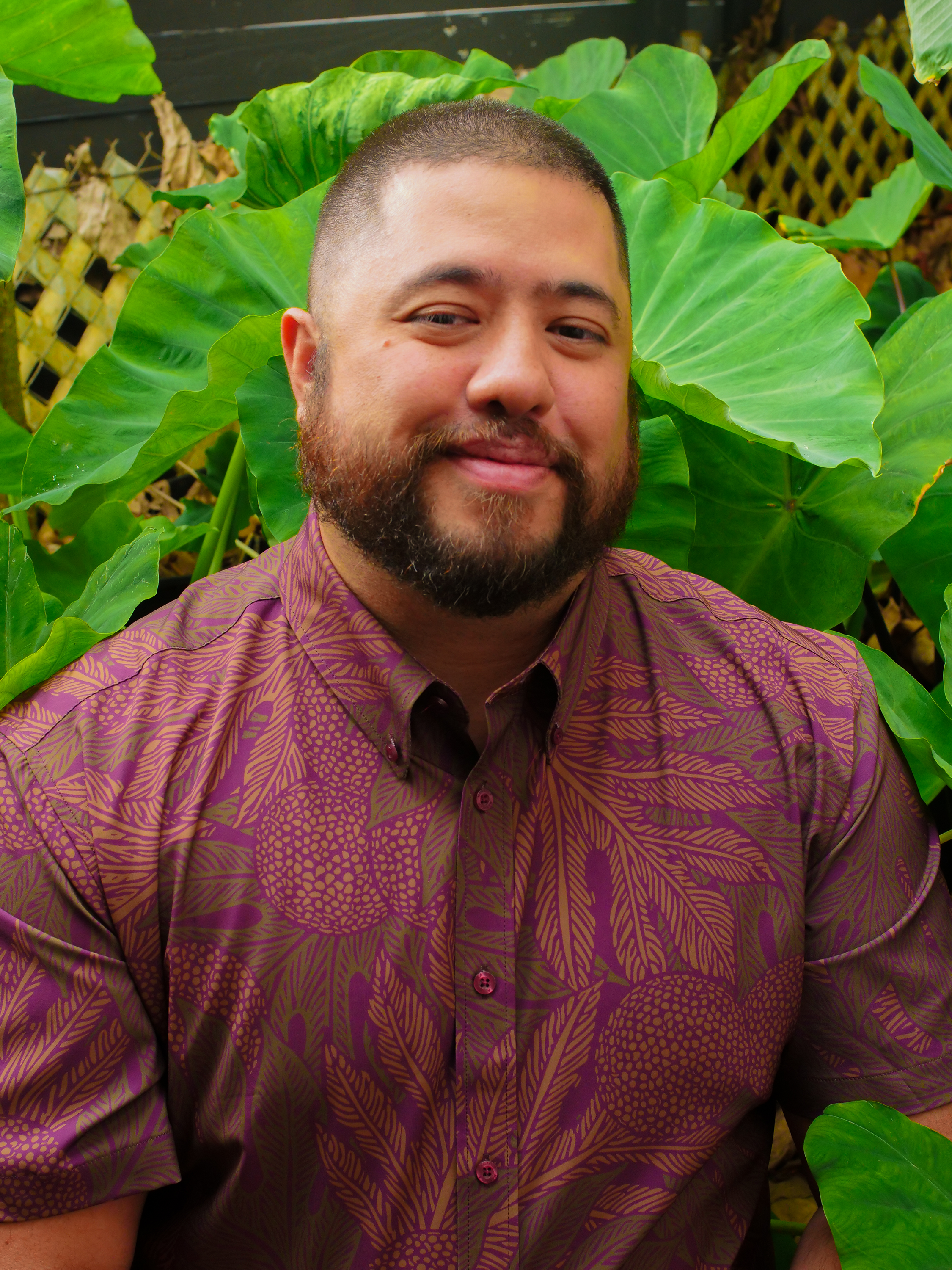
Zed Aki
-
There are many reasons I decided to run, but it starts with wanting more for the community I call home. I want a safe place to raise my children, deeper roots in my ancestral homeland, and opportunities for our families to thrive. After 20 years in public policy, I decided that instead of hoping for change, I would help lead it myself
-
To effectively represent Kaʻū and South Kona, you need both expertise and drive. I love this place. As a Native Hawaiian with deep roots here, I see this district as ʻohana worth fighting for. For over 20 years, I’ve advocated for communities and helped shape public policy. If I’ve accomplished that without elected office, imagine what I can do with it.
-
The sky is the limit for Kaʻū and South Kona. With community will and smart investment, we can transform our district into a healthcare hub that trains, houses, and employs local healthcare professionals. By building workforce pipelines and expanding services, we can improve health outcomes, create permanent living-wage jobs, and attract new economic opportunities. This is just one example of what’s possible.
-
The county must do better. Too many families, especially first-time homebuyers, face permitting delays and unnecessary red tape. We can streamline the process without sacrificing environmental and cultural protections. I’m also concerned about kūpuna on fixed incomes facing rising costs and property taxes. We should explore tax relief and affordable housing solutions that help our elders remain in the communities they helped build.
-
As Executive Director of Lepo ʻUla, I’ve partnered with the University of Hawaiʻi Cancer Center to address health disparities in Kaʻū. As a Native Hawaiian and father of two children on the autism spectrum, healthcare is deeply personal. I support practical solutions like mobile clinics, transportation services, and benefit-navigation assistance to help residents access the care and support they need.
-
Community Benefit Agreements can ensure more revenue generated in our district stays in our district. We should explore returning a greater share of taxes from vacation rentals and tourism-related businesses directly to community priorities. I also support stronger county investment in small businesses, entrepreneurs, and local markets, helping them grow, attract customers, and create economic opportunities for our residents.
-
I don’t live in Pāhala, so my opinion should carry less weight than those who do. I recognize the development’s potential economic benefits as well as concerns about tourism impacts. My approach is to maximize benefits while mitigating harms. Before taking a position, I want to listen, learn, and ensure the voices of Pāhala residents guide the conversation.
-
With a degree in Hawaiian Studies, a legal focus on Native Hawaiian rights, and a lifetime of advocacy, I remain committed to strengthening Native Hawaiian selfdetermination. Key priorities include protecting access rights, conserving natural and cultural resources, and creating cultural centers where practitioners can perpetuate traditions, educate future generations, and celebrate the unique history and significance of place.
-
I will make Kaʻū and South Kona a priority. Two years isn’t enough to solve every challenge, but it is enough to create a long-term community-driven plan that outlasts any one elected official. Together, we’ll address immediate needs, reduce the cost of rural living, strengthen economic opportunities, and ensure our communities are no longer overlooked by county and state decision-makers.
-
I will make Kaʻū and South Kona a priority. Two years isn’t enough to solve every challenge, but it is enough to create a long-term community-driven plan that outlasts any one elected official. Together, we’ll address immediate needs, reduce the cost of rural living, strengthen economic opportunities, and ensure our communities are no longer overlooked by county and state decision-makers.
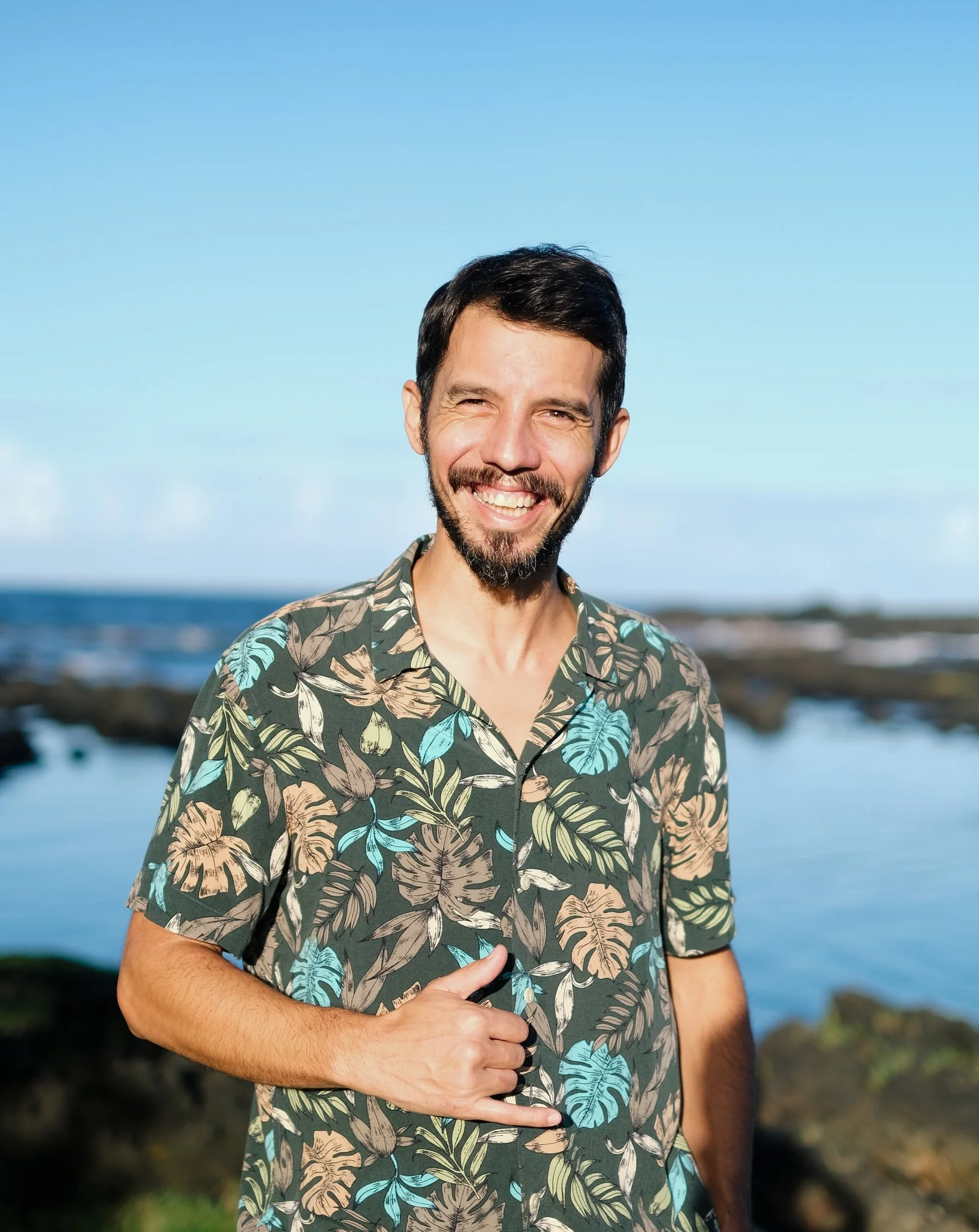
Justin Canelas
-
After seven years in Kaʻū, I’ve fallen in love with this place and its people. When I learned Councilmember Galimba wasn't running, several kupuna and community members I deeply respect encouraged me to step forward – and I felt compelled to answer that call. With my background in public policy, grassroots advocacy, and securing resources for our community, I believe I have the qualifications and integrity to serve.
-
Throughout my time here, I have dedicated myself to the Kaʻū community – securing $1.5M for the KHPES REO program, creating local jobs and empowering our ʻōpio as community leaders. As District 6’s Environmental Management Commissioner, I've built relationships with public officials that will help me get things done. My decade in the philanthropic world means I know how to help local and mission-driven organizations secure grant funding and grow their capacity and impact.
-
My vision for Kaʻū’s economic future is building a circular economy where resources and dollars cycle back into our community. Beyond agriculture, I see real opportunity in agro-tourism, commercial composting, renewable energy, and reuse and repair hubs. Investing in healthcare, childcare, and education jobs will create lasting employment because they’ll always be needed. These aren’t just jobs – they reflect our values and strengthen our community.
-
Affordable housing in Kaʻū isn’t a one-size-fits-all problem – each community has unique barriers. Nāʻālehu needs water infrastructure investment, while Ocean View struggles with insurance access blocking traditional lending. District-wide, I’d incentivize ADUs for long-term rentals over vacation rentals, streamline permitting for water catchment and prefab housing, and create county-backed low-interest capital funds to help local residents build. Any land subdivision must preserve agricultural designations.
-
Kaʻū faces serious healthcare gaps – our kūpuna drive hours for dialysis, physical therapy is scarce, and primary care wait times are too long. I’ll support local organizations to expand services while looking at ways we can bring in like-minded providers and develop partnerships. My decade in community development has given me the knowledge and tools to help secure grants that will fund real, lasting healthcare solutions for our community.
-
Too many tourism dollars pass through Kaʻū on the way to Kona and Hilo. I’d push for a comprehensive visitor guide showcasing local businesses and cultural experiences, create vendor opportunities at tourist hot spots, and implement out-of-state paid parking at county beaches to generate local revenue and control congestion. Investing in a shared agprocessing facility would give local producers shelf-stable products to sell visitors at a premium.
-
I support this project – our kūpuna and ʻōpio support it, and having personally had to double back to Nāʻālehu for gas, I understand the practical and safety need, but what excites me most is its potential beyond a simple gas station. Our youth envision it as a hub for local vendors, waste diversion and composting – a true community anchor that reflects Kaʻū’s values and circular economy vision.
-
Supporting Kānaka Maoli is at the heart of this campaign. As someone not from here, it’s my duty to be part of the solution. I’ll work with DHHL to get Hawaiian lands back into Hawaiian hands and support Hawaiian sovereignty movements. Guided by I ka wā ma mua, I ka wā ma hope, I believe Hawaiian ancestral wisdom in land and resource stewardship must inform our policies today.
-
My first two years will be defined by tangible, visible progress – things Kaʻū residents can see and feel. I’ll prioritize establishing a food hub and ag-processing facility, getting commercial composting operational, securing funding for local healthcare and cultural organizations, and expanding childcare options. Success means more families thriving, more youth building careers here at home, and a circular economy taking root in our community.
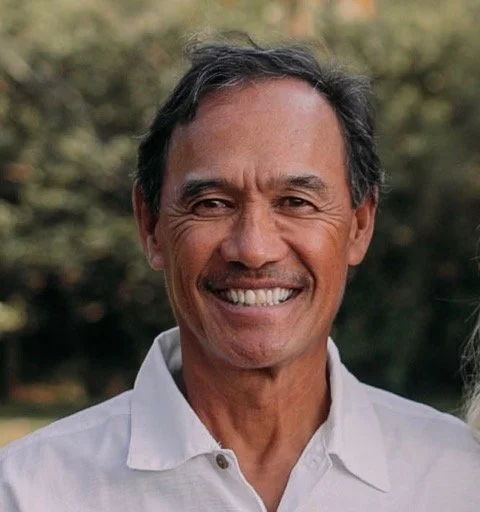
Guy Enriques
-
I believe we need strong leadership that addresses the needs and concerns of the people of District 6.
-
Former Councilman 2008, Build Kaʻū Shelter & Gym: Owner/Director largest team camp in Northwest for 40 years and counting; Oregon State DI Women’s Volleyball coach, top 25 ranking, PAC 10 Coach of the Year; Founder Hawaiʻi Island Labor Day Classic to boost economy through Sports tourism; Teacher 10 years; Cofounder/1st President OKK; Founder/ Host/OKK Keiki Fishing tournament 13 years
-
Push for the support and completion of the Pāhala Visitor Center along Highway 11.
-
Research budget source through the government. Select buildable lands in an appropriate area, identify local builders to build affordable homes.
-
Create a Dialysis Center in Kaʻū. Start by identifying barriers, then bringing together care providers, insurers, community leaders and explore mobile and permanent dialysis treatment options in Kaʻū.
-
Build the Pahala Visitor Center – tap into the money that drives past Pāhala every day
-
I am in support of the fueling station, market place and visitor center.
-
Consider policies that assist our local Hawaiian population in getting the lands from DHHL that they have been waiting for years. Deny Geothermal drilling on DHHL.
-
My top priority is to get 75-80% of my project list that comes directly form the community either completed or moving forward.
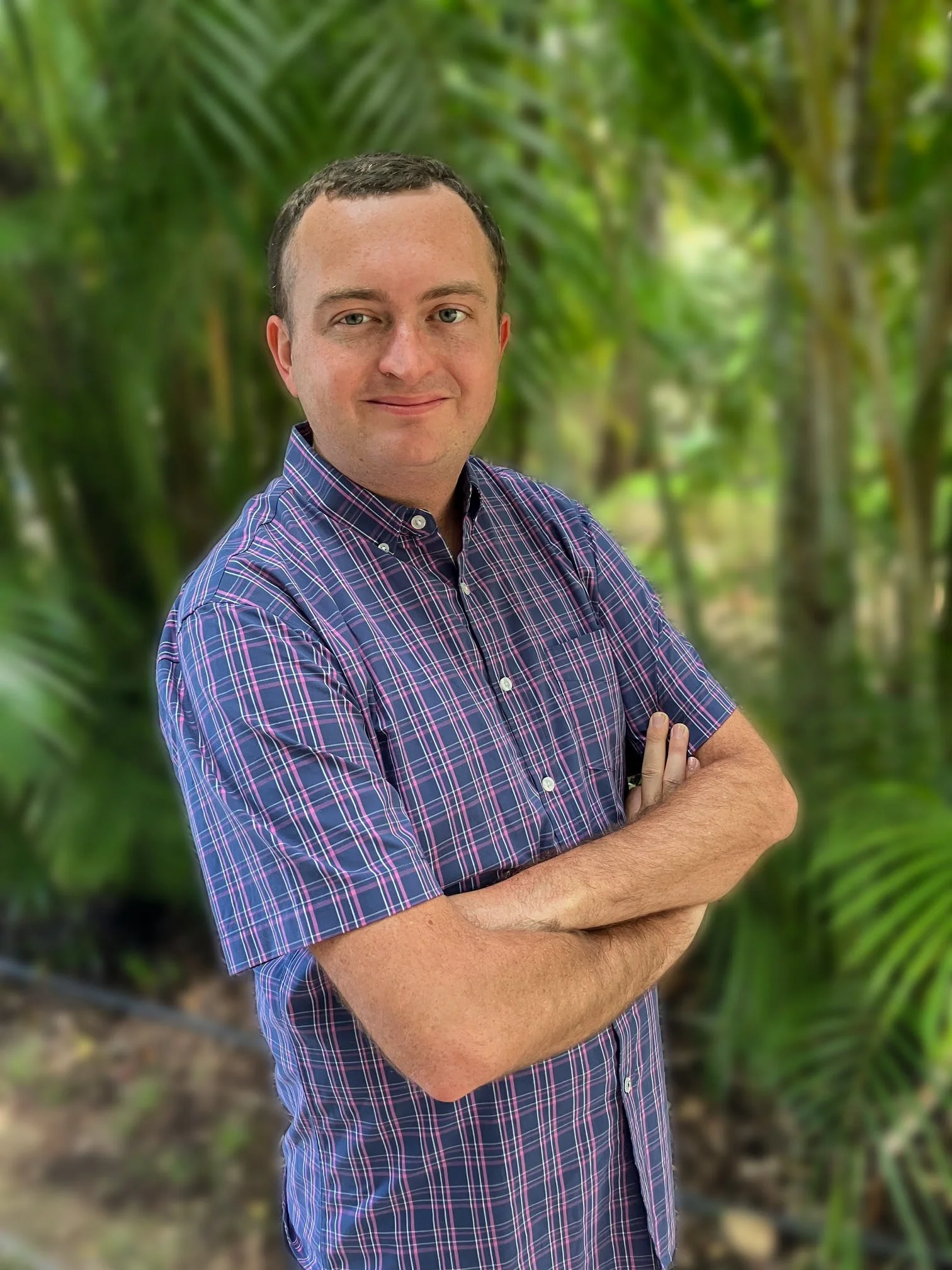
Kyle Jones
-
I am running for Hawaiʻi County Council because I feel that the District 6 area, a vast geographic area from Teshima’s to Volcano Village, has a number of pressing needs and has often been marginalized by the county. I identify as a “pothole politician,” which means I want to start by going back to basics and focusing on direct quality-of-life improvements for residents. I also have some innovative ideas that will help residents benefit financially from the tourist industry.
-
I was born in Kealakekua and I’ve lived in District 6 my entire life. I attended UH Hilo and received my bachelors in Political Science in 2017. I was employed as a congressional intern for Senator Brian Schatz in Washington D.C. I would be an effective representative for District 6 because I understand the issues plaguing this side of the island very well, including the homeowner insurance crisis in Lava Zones 1 and 2, and the lack of reliable infrastructure. I would be an unflinching advocate for District 6 residents.
-
Kaʻū has a serious lack of good paying jobs that can keep people in the area. I want to promote small businesses like grocers, barbers and restaurants so we can revitalize our small towns and breathe new life into them. One major obstacle that keeps people from starting new businesses in District 6 is the incredibly high commercial rents on the island. We need to get business rents under control so people have the freedom to take risks and succeed. The county should be lifting people up, not only restricting them.
-
Affordable housing is scarce throughout District 6, compounding with a lack of good-paying jobs. I will focus on two priorities: first, amending zoning codes to allow second kitchens in legal ohana/ADU units, easing restrictive county barriers. Second, expanding county programs like the affordable housing facility on Hinalani Street into District 6. Finally, I support all state Hawaiian Home Lands development efforts.
-
I have long supported universal single-payer healthcare and state or federal efforts to improve District 6 medical facilities. I was pleased Kaʻū Hospital received state funds to modernize in 2024; these efforts must continue. I oppose moving facilities to Hilo or Kona and strongly support the county’s medical transit efforts and the work of the Office of Aging.
-
I hope to establish the “Hawaiʻi County Tourism Trust,” to seed a portion of tourism-associated revenue into a sovereign wealth fund that invests in stable financial markets. Similar to the Alaska Permanent Fund, this trust would issue annual dividends to every man, woman, and child on the Island, creating a stake in the tourism industry for generations to come.
-
I support developing the Pāhala Visitor Center/Gas Station. While we shouldn’t rush projects or become Oʻahu, this project is appropriately sized to revitalize our community with an affordable grocery store. I also strongly support county-community partnerships like the Ocean View Skate Park grassroots effort and the successful local organization collaboration for the oversight of Hoʻokena Beach Park.
-
I would work with the state to finish building Hawaiian Homeland homes faster and get people off the waiting list. One of the major slowdowns is the lack of infrastructure to a lot of the HHL land. The county could help work with the state to build some of the infrastructure needed. I’m also a strong supporter of Native Hawaiian fishing and gathering rights and will always defend them.
-
My top two priorities for my council term would be repairing the dilapidated county roads in District 6 that are in dire need of repair and fixing the mortgage insurance crisis in Lava Zones 1 and 2. Both of these issues have a very direct negative impact on everyone living in District 6. I want to do everything in the county’s power to fix it and improve life for all of us.
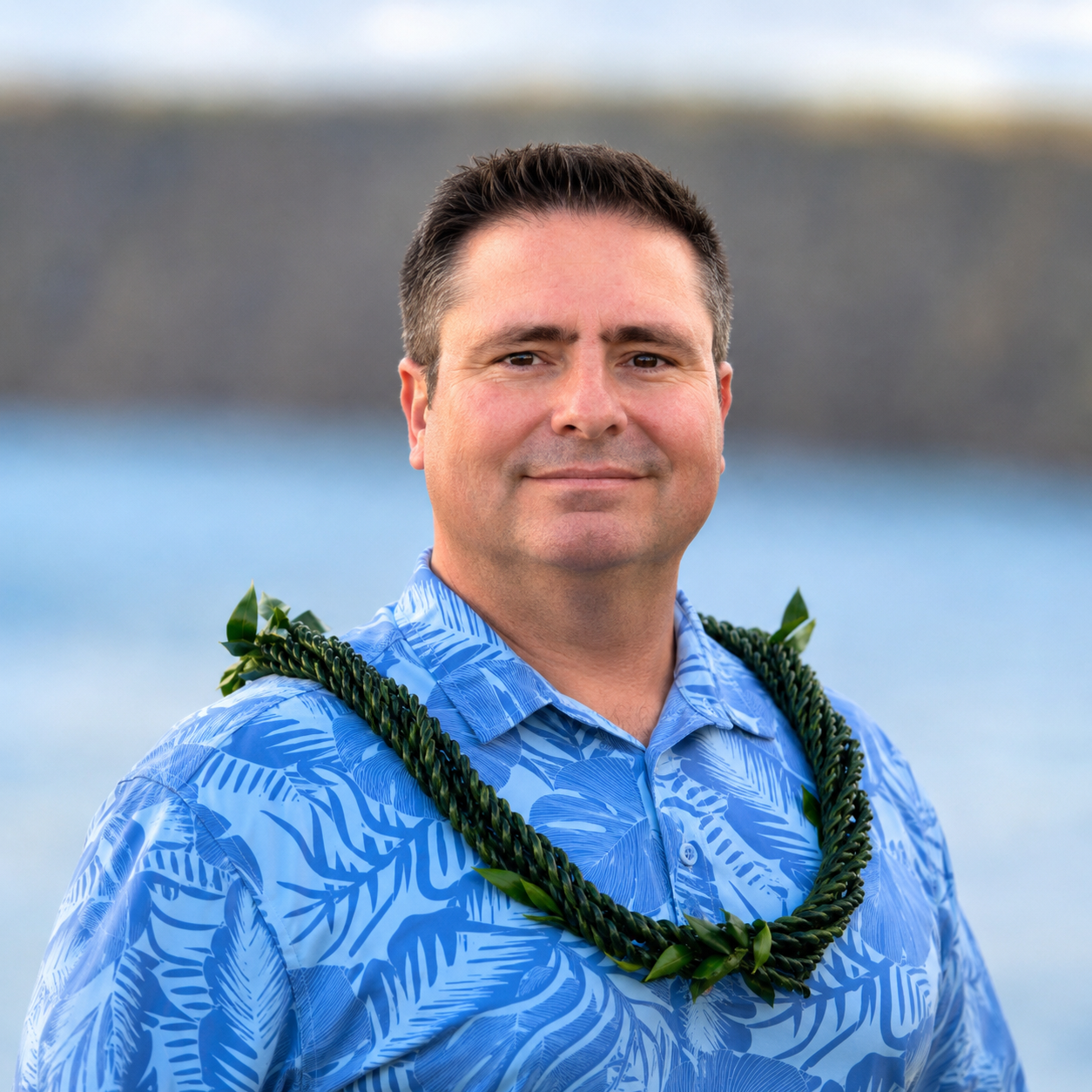
Jason Masters
-
I am running because I believe District 6 deserves a stronger voice in the County government. Too often, countywide decisions do not reflect the unique needs of our communities. I want to advocate for practical, place-based solutions that support local families, businesses, agriculture, increased healthcare access, improved infrastructure, new economic opportunities and the long-term sustainability of District 6.
-
My experience comes from being actively involved in the Kaʻū community and listening to and working with residents, farmers, business owners, and families. Those conversations have helped me understand local challenges and opportunities. I believe effective leadership means listening, being accessible, and working collaboratively to find solutions that reflect the needs of the community.
-
Agriculture remains the backbone of Kaʻū’s economy. I support expanding economic opportunities by increasing value-added product industries, local food accessibility, and processing opportunities. We should support small business creation and consider sustainable, locally-operated eco-tourism that respects cultural and environmental resources. Our goal should be greater self-sufficiency by creating opportunities that benefit local families while not becoming overly dependent on tourism.
-
Affordable housing requires place-based solutions. Too often, countywide policies don’t reflect the realities of Kaʻū and District 6. We should identify appropriate housing opportunities, increase incentives for, and encourage public-private partnerships through alternative financing mechanisms, and ensure development remains consistent with the Kaʻū Community Development Plan. The goal is to create housing opportunities for local residents while preserving community character.
-
In the short term, I support increased transportation options and mobile healthcare services that help residents access care both close to home as well as in Hilo and Kona. Long term, as infrastructure improvements such as wastewater upgrades move forward, we should explore opportunities for additional healthcare services in Kaʻū, like dialysis where feasible, reducing the burden of long-distance travel.
-
We should support local businesses, farms, food vendors, restaurants, and other community-based enterprises that already attract visitors to Kaʻū. I support sustainable, culturally respectful eco-tourism operated by local residents. At the same time, we should strengthen agriculture and other local industries to help District 6 become more resilient, self-sufficient and not overly dependent on traditional tourism-related activities.
-
I support development that provides needed services while remaining consistent with county regulations and the Kaʻū Community Development Plan. We should focus on improving existing services, such as renovation of the current gas station, ensuring first that future projects benefit residents, reflect community priorities, and contribute to the long-term sustainability of Pāhala and the diverse communities of District 6.
-
Many commitments to Native Hawaiian communities already exist but have not been fully implemented. Before creating new policies, we must focus on fulfilling existing responsibilities related to housing, infrastructure, and access to resources. The Council must serve as an advocate on behalf of our Native Hawaiian communities to work with state agencies to address longstanding issues and improve outcomes.
-
My priorities are improving infrastructure, expanding healthcare access, supporting affordable housing opportunities, and strengthening local industries. Success means making measurable progress on community priorities, ensuring development aligns with both the Kaʻū and Kona Community Development Plans, supporting greater selfsufficiency, and giving District 6 a stronger voice in County decisions that affect our communities.
Governor
John Green, Gary Cordery, Ken Fujiyama, Duke Bourgoin, John M. (Raghu) Giuffre, Clyde McClain (Mac) Lewman, Bu Laia Hill, Lauren Kapoliahi’iaka Shim
Candiates without answers did not respond to our invitation to participate in this survey.
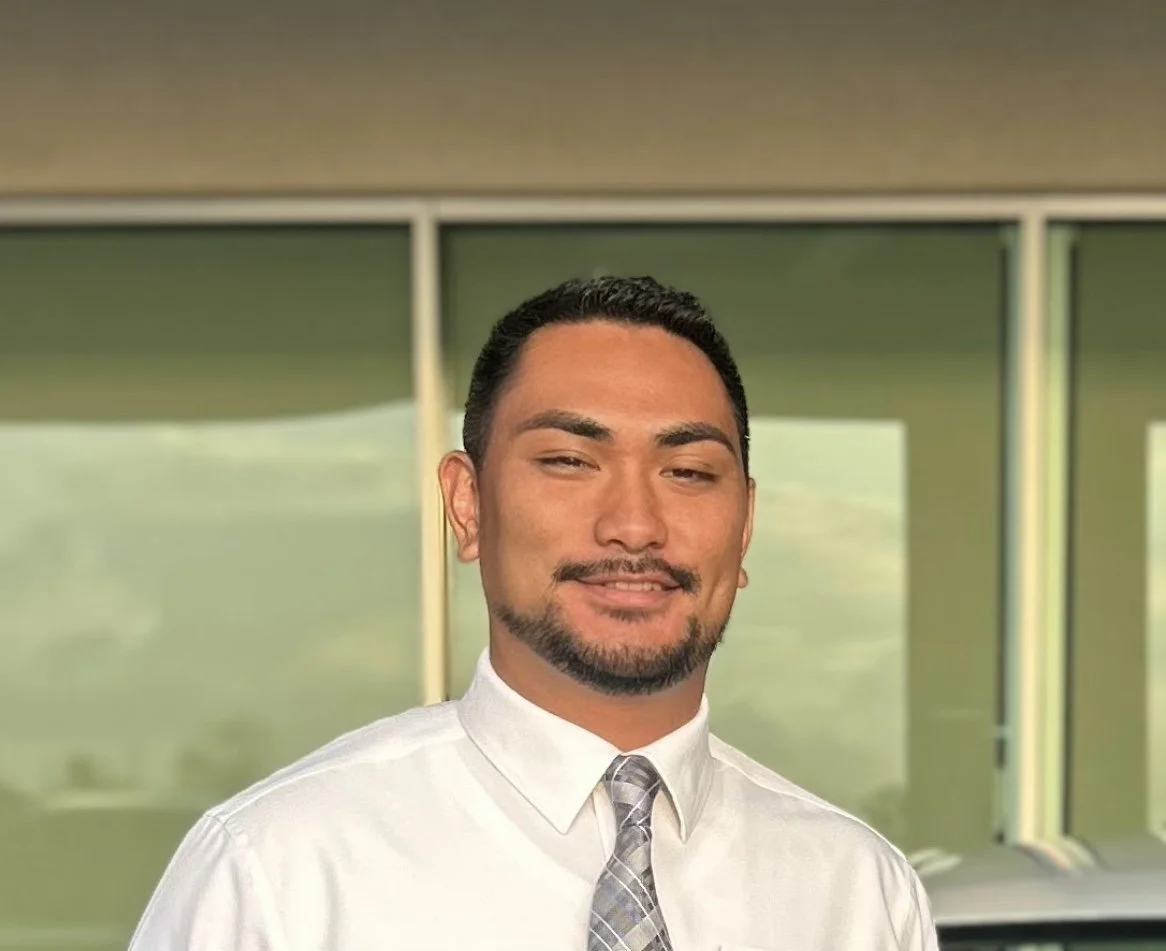
George (Teva) Lucas-Tadeo
-
I am from the Big Island, and I know Hwy. 11 is not just a road — it is how Kaʻū families get to work, school, medical appointments, and home. I will fight to bring state and federal funding home to Hawaiʻi Island and make Hwy. 11 safer for the people who depend on it every day.
-
Kaʻū has been overlooked for too long. As Governor, I will push for transparent funding, clear project timelines, and measurable investments in roads, infrastructure, healthcare access, and public safety so Kaʻū residents can see real results, not just promises.
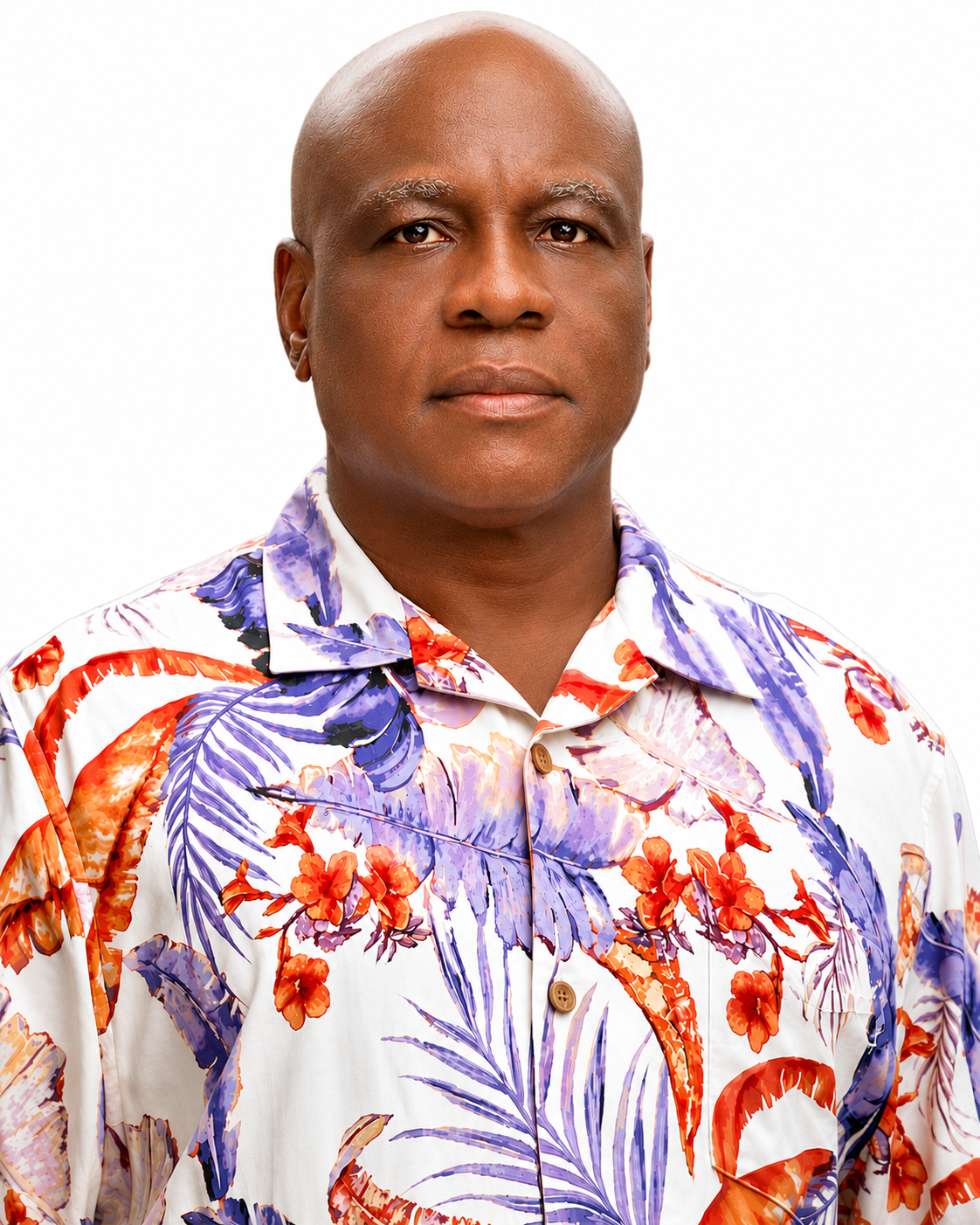
Calvert A. Williamson
-
Many Kaʻū residents depend on Hwy. 11 every day, and its deteriorating condition has created serious safety concerns for families, workers and visitors who rely on it. I will aggressively pursue federal transportation funding while growing Hawaiʻi’s economy and generating new local revenue streams so we can properly maintain Hwy. 11 and other critical infrastructure across our islands.
-
Kaʻū has been overlooked for too long. As Governor, I will push for transparent funding, clear project timelines, and measurable investments in roads, infrastructure, healthcare access, and public safety so Kaʻū residents can see real results, not just promises.
Lieutenant Governor
Robert Peters, Daniel Anthony, Hopelin Cresencia, Kilakila Kamau, Sam Puletasi, Derek Kawakami
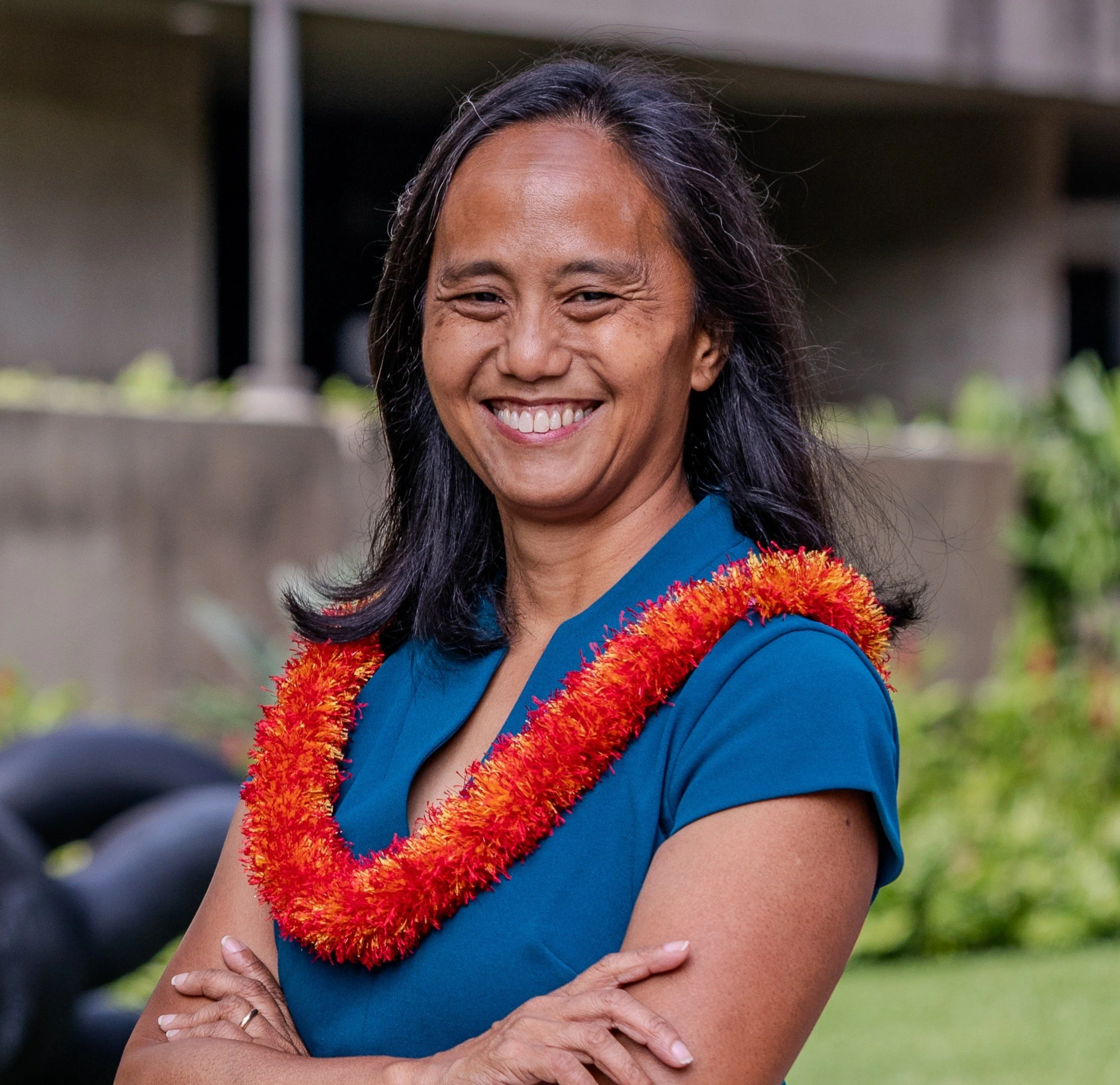
Della Au Belatti
-
I will conduct a deep dive into the DOT Highways Division’s funding priorities to understand how funds are allocated statewide and for the sections of Hwy. 11 critical to Kaʻū. I will also establish a Hawaiʻi Island Citizens Advisory Committee convening through the Office of the Lieutenant Governor to identify immediate improvements, gather vital information and actively engage residents in a sustainable, long-term transportation planning process.
-
I will establish a four-year work plan tracking transportation, healthcare, and federal funding. Executive agencies will be required to provide follow-up reports on their 1-year, 5-year, and 10-year plans for Hawaiʻi Island, showing exactly how Kaʻū is being served by existing funds. I am committed to organizing with our federal delegation and community stakeholders to execute coordinated funding proposals and maximize federal partnerships.
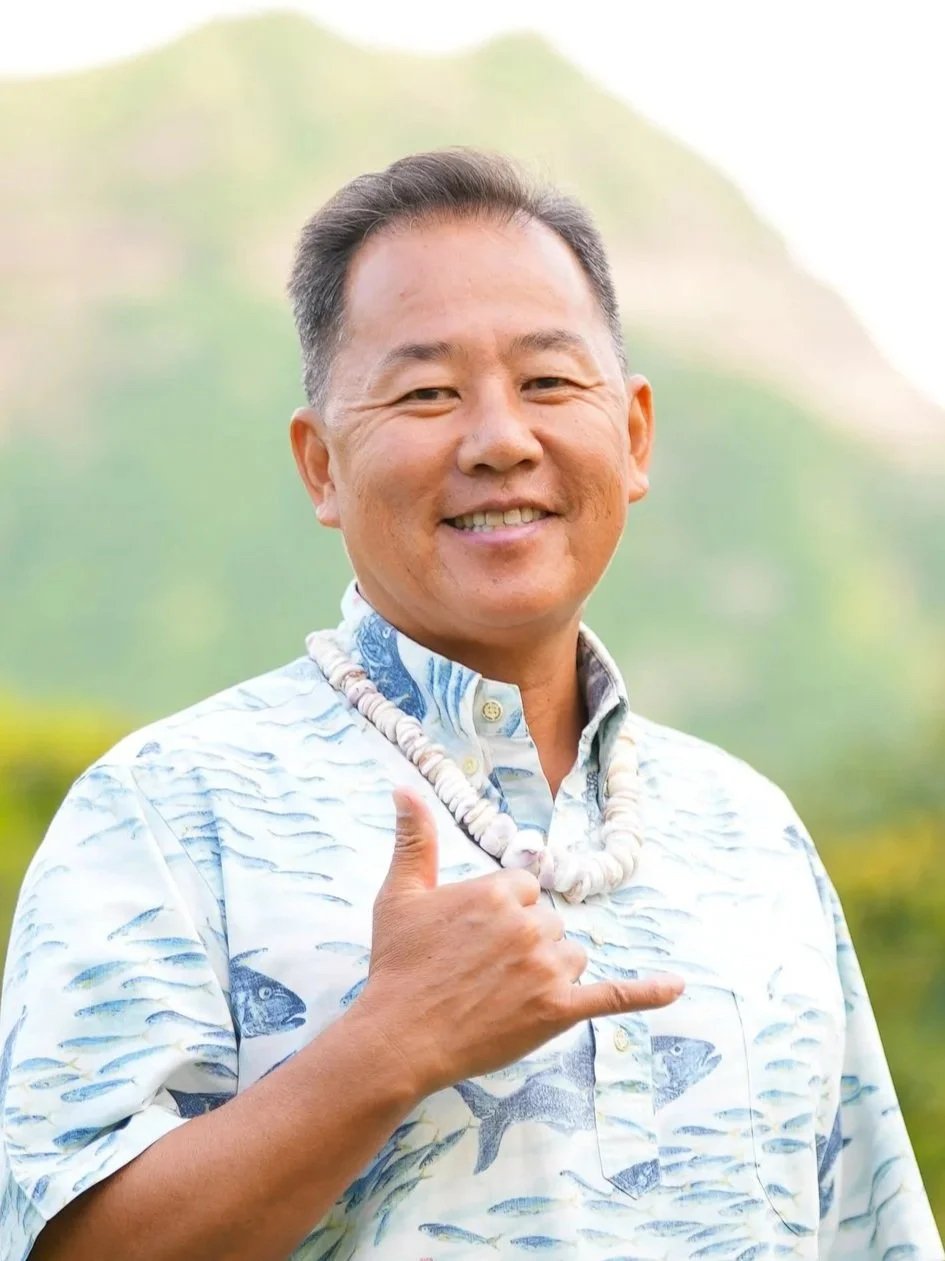
John Choi
-
Hwy. 11 is Kaʻū’s lifeline, with no real alternate when it closes, and it has been falling apart for years while the people already in office settled for patching it after each storm instead of funding the permanent reconstruction it needs. As Lieutenant Governor I would stop treating that patch cycle as acceptable, push HDOT to put the corridor on the funded rebuild schedule, and go after the federal resilience dollars the route qualifies for, because Kaʻū has waited long enough for a road it can count on.
-
Kaʻū isn’t overlooked for lack of sympathetic politicians, it’s overlooked because the state hands out attention by relationship and leverage, and a small rural community with no PAC, no lobbyist, and not enough votes to bargain with loses every round no matter how good the intentions inside the building are. So my commitment is structural, not just rhetorical: an annual, public accounting of where state infrastructure dollars actually land by district, paired with a fixed schedule of in-district visits, so Kaʻū can see in plain numbers whether it is finally getting its share.
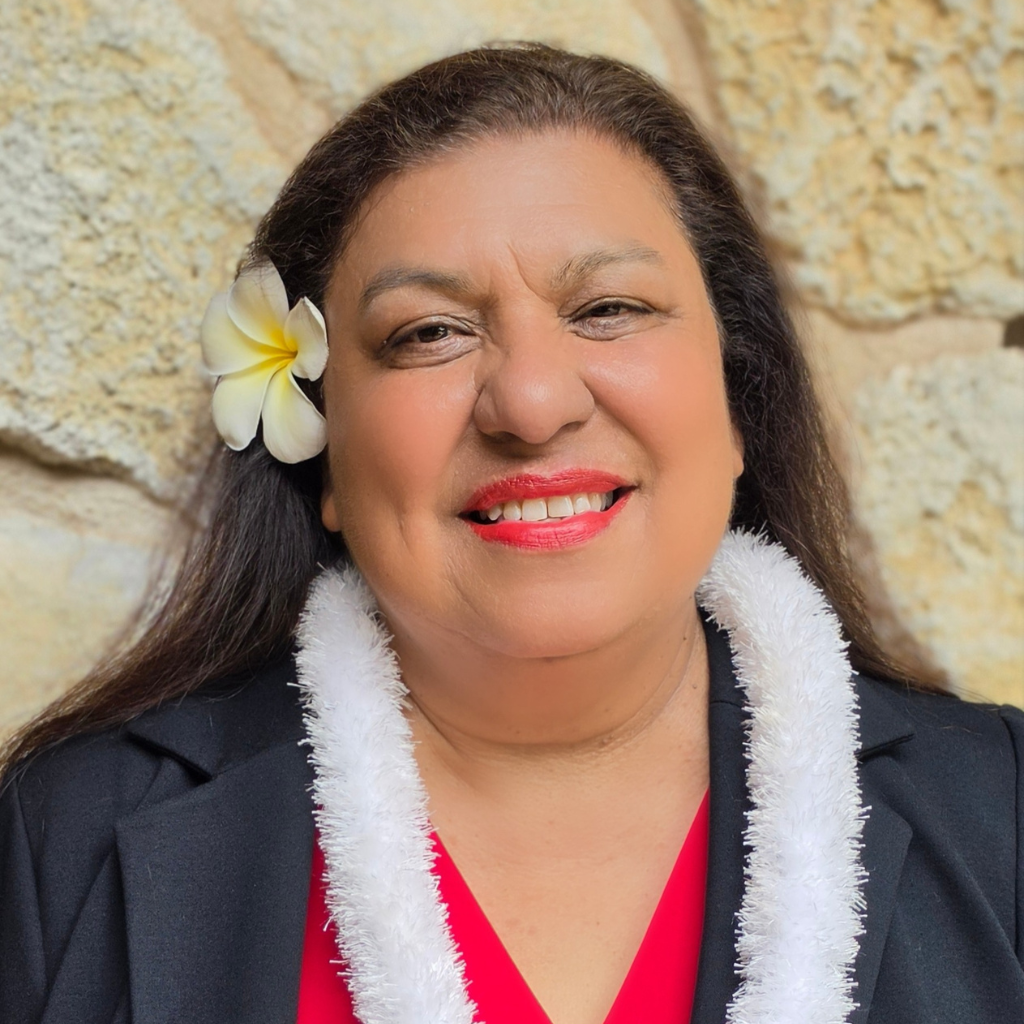
Margaret Rose Mejia
-
My planned actions for Hwy. 11 are to make necessary repairs. I am committed to making our roads safe and will look into investing in Kaʻū at the state level. I can also contact the Trump Administration at the federal level and see what they can do to help Kaʻū residents, as well.
-
No matter where you live in Hawai’i, you are important and should not be overlooked because you don’t live in Hilo or Kona. Currently, I am not aware of all the needs of the Kaʻū residents. Please contact me and let’s meet. My Facebook is MEJIA for Lt. Governor and my website is MEJIA2026LtGovernor.org.
US House District 2
Randall Terry, Brenton Awa, Kirill Basin
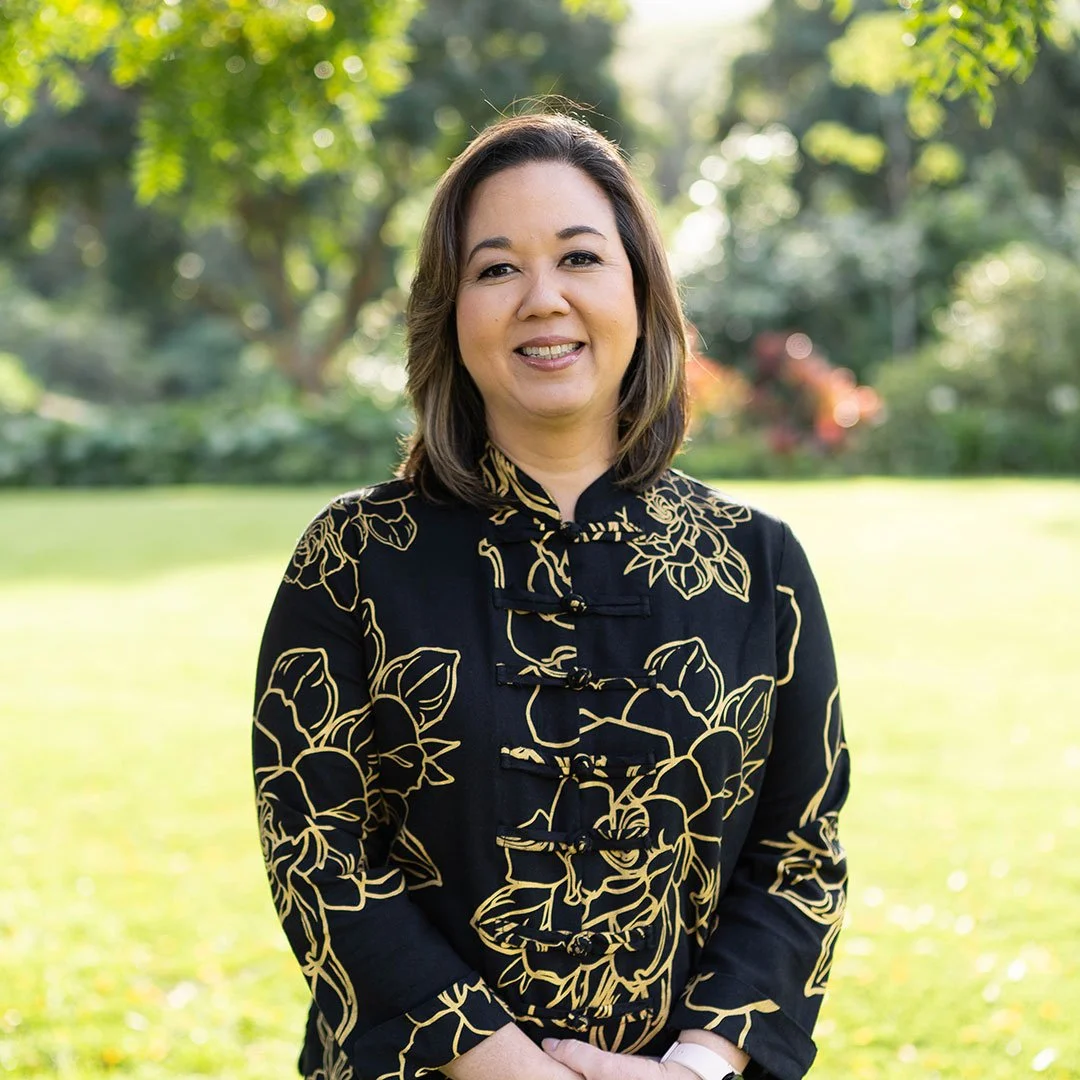
Jill Tokuda
-
With no other road to Hilo or Kona, Hwy. 11 is an absolute lifeline for work, school, medical care, emergency response, and access to everyday essential goods. As Congress drafts the next infrastructure investment bill, I will push to secure the highest possible funding levels for eligible portions of Highway 11 while working directly with state and local partners to ensure the full corridor gets the attention it deserves.
-
A priority is ensuring rural communities are not left behind regarding healthcare, facility financing, farmer transportation costs or infrastructure investments needed to thrive. Having met directly with Kaʻū coffee farmers and Hawaiian Paradise Park homeowners struggling with basic mail service, I will continue direct outreach so their issues reach government offices where resource decisions and solutions can move forward.
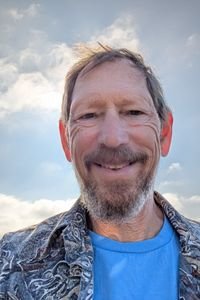
Greg Guithues
-
Regarding the state highway that runs through Kaʻū: As a member of the US House of Representatives I will champion funding for infrastructure projects such as highway maintenance and upgrades. The money will come from increasing taxes on the wealthiest Americans.
-
I will also work with other house members to keep attention on funding quality of life projects in rural areas such as public spaces, kupuna and keiki programs and support for the arts. The money will come from increasing taxes on the wealthiest Americans.
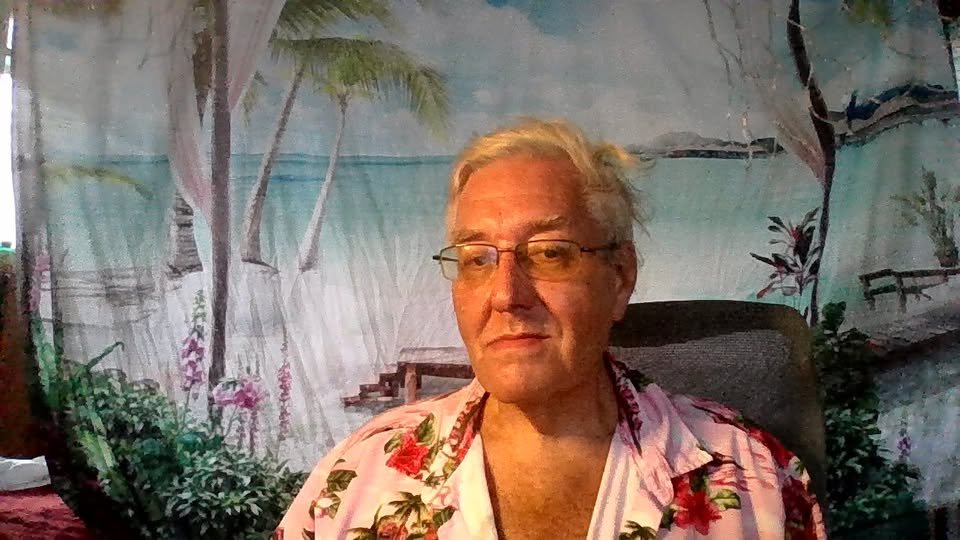
Steven King
-
I will advocate for utilizing all tourism tax revenue to improve the infrastructure of the Big Island in a fair manner. This funding will be prioritized to address the deteriorating condition of Highway 11 and enhance safety for all Ka’ū residents.
-
My commitment is to ensure that state and federal investments reach rural areas across all of Hawai’i, specifically targeting underserved communities like Ka’ū, to implement measurable oversight and ensure our local infrastructure projects receive their equitable share of these resources.
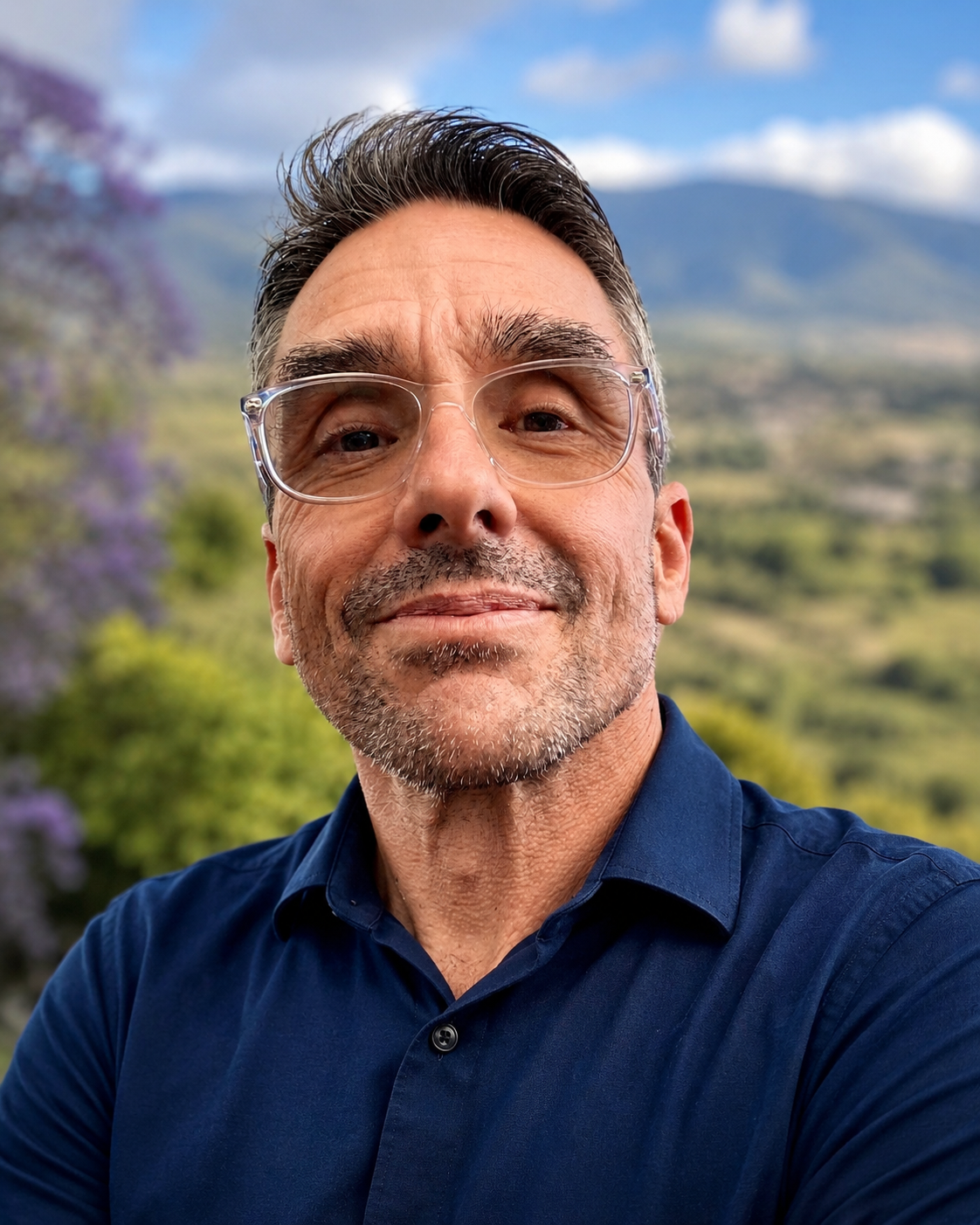
Edward A. Codelia
-
Hwy.11 is the lifeline of Kaʻū, connecting residents to schools, healthcare, employment, commerce, and emergency services. As a member of Congress, I will work to prioritize Hwy.11 for federal transportation, safety, and resilience funding while demanding accountability for how existing federal highway dollars are spent. My focus will be on securing funding for pavement rehabilitation, drainage improvements, safety upgrades, and emergency access improvements so Kaʻū residents are not continually forced to rely on deteriorating infrastructure that is critical to daily life, economic activity, and public safety
-
Too often, rural communities like Kaʻū are remembered during elections and forgotten when funding decisions are made. I will maintain a regular presence in Kaʻū and work directly with residents, farmers, ranchers, agricultural workers, healthcare providers, educators, small businesses, public employees and community organizations to identify where federal programs are succeeding and where they are failing. My priorities include rural healthcare access, water infrastructure, broadband expansion, agricultural support, disaster preparedness, and transportation improvements, while ensuring federal dollars reaching Kaʻū are tracked, audited, and producing measurable results for the people who live and work there.
State House District 2
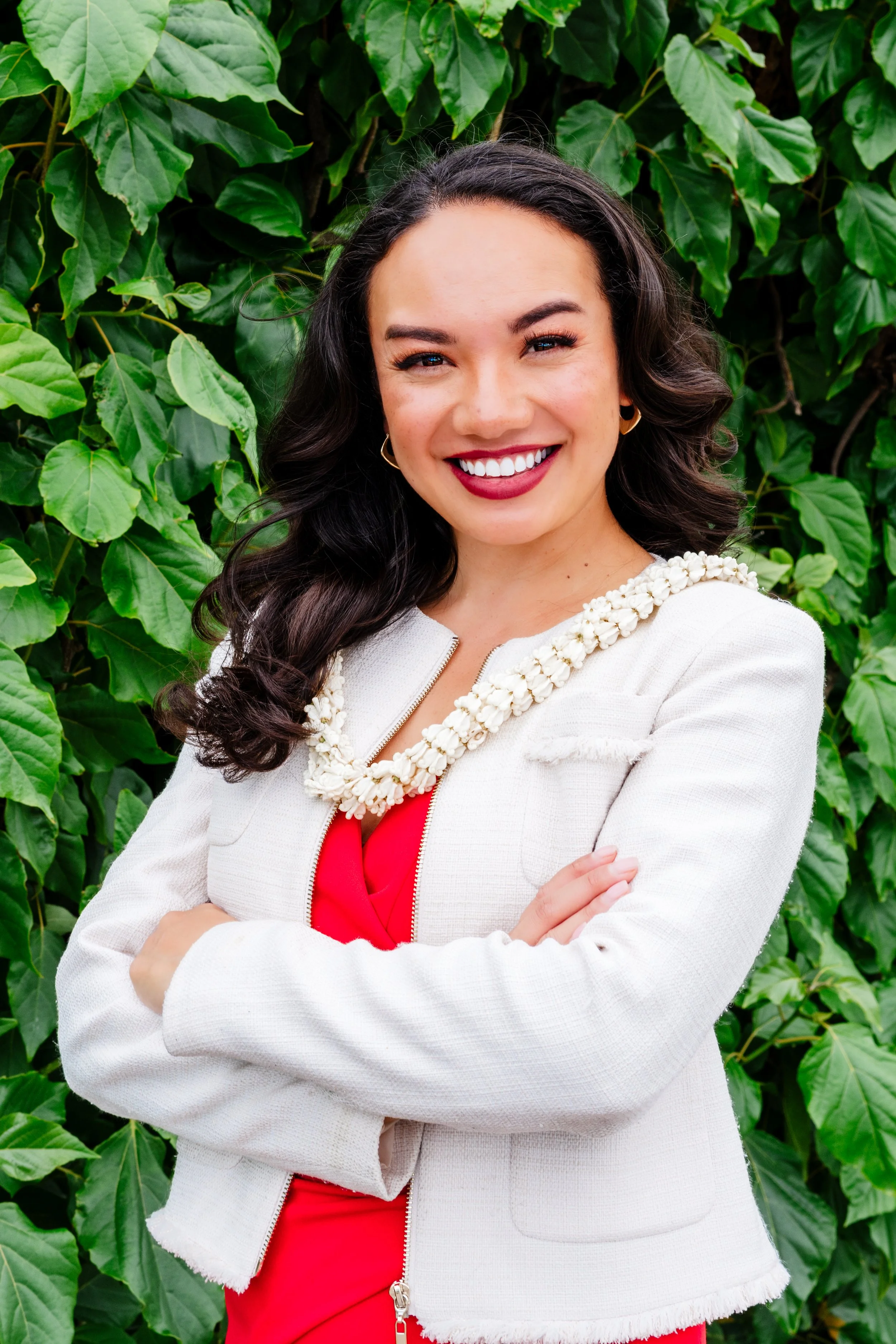
Jeanne Kapela
-
I will continue pushing the Hawaiʻi Department of Transportation to accelerate Hwy. 11 repaving and safety improvements while securing state and federal funding for additional passing lanes, improved signage, and flood mitigation projects. I am already working with state, county, and federal partners to address recurring safety concerns and ensure Highway 11 receives the investment our community deserves.
-
My commitment is simple: deliver results and keep the community informed. I secured $2.5 million for a Kaʻū agricultural processing facility and ag park this session, and I will continue fighting for investments in healthcare, infrastructure, and economic development while hosting regular community meetings to provide updates and ensure accountability for projects impacting Kaʻū.
Matt Kaneali’i-Kleinfelder
-
I have driven Hwy. 11 daily for decades. Nine people have died recently and the official silence is deafening. My eight years on the Hawaii County Council taught me how to deliver projects. Working with Public Works, state DOT and legislators, I have improved District 5 roads through collaboration. When elected, I will fund and finish improvements on Hwy. 11 between Kaʻū and Kona, mile markers 18–22 near Glenwood and the Panaʻewa Stretch. To address congestion, I will work across state and county lines to build an alternate route in Puna Uka, connecting Mountain View residents and first responders directly to Hilo.
-
For years Puna Uka, like Kaʻū, was overlooked. Now a new police and fire station is planned for Keaʻau. Through legislation I passed, the county is paving private roads for the first time, offsetting road dues with tax credits, repairing gym roofs, studying alternate roads between Puna and Hilo and advancing wastewater projects. With your help, I can now address state issues outside county jurisdiction: better school lunches, higher teacher pay, improving highways, fixing state parks and addressing Hawaiian Homes. This is my promise to Kaʻū, Nāʻālehu and Volcano.
Dalene McCormick
-
Hwy. 11 is a vital lifeline for Kaʻū residents, connecting our communities to jobs, healthcare, schools and essential services. While Hwy. 11 is under the authority of the state Department of Transportation, state legislators play an important role in advocating for projects and funding. If elected, I will work with the DOT and my legislative colleagues to ensure Hwy. 11 remains a priority. The DOT plans to reconstruct 8.8 miles of Hwy. 11 from Oshiro Road to Alikoa Street beginning in 2026. I will monitor that project’s progress, advocate for additional safety improvements and hold the DOT accountable for delivering results that improve safety and reliability for Kaʻū residents.
-
District 5 is the largest House district in the state. It is also one of the most rural and infrastructure-challenged, yet it supports major agricultural areas and a continuously active volcano. If elected, I will focus on making sure Kaʻū is not overlooked in the state budget process. I will track Kaʻū-related capital improvement projects each session and publicly follow their funding status and timelines. I will also hold regular in-district community meetings so residents can directly raise concerns and priorities. I will advocate each year for Kaʻū priorities in transportation, infrastructure and rural services to ensure this community has a consistent voice and is not left behind.
OHA Trustees
Kealii Akina, Karl Veto Baker, Kalena A. Parish, Clifford Kauaula, Keoni Souza, John Waihee IV, Ikaika Anderson
Jackie Burke
-
While OHA has limited input into your situation, making transportation safety to our outreach to rural Hawaiian communities can be a way of contributing to funding the safety issues associated with highway maintenance.
-
While earning my master’s in public health and in urban and regional planning, we worked on Kaʻū, focusing on Kalaeloa and Punaluʻu, giving me a deep connection to this region. While OHA can propose expanding services to Hawaiian communities in Kaʻū, these benefits naturally lift the entire community. By contributing to education, infrastructure or cultural preservation, OHA can partner with state or federal funding sources.
Michelle Costello
-
The condition of Hwy. 11 is a public safety issue that demands immediate attention, and the people of Kaʻū should not have to wait any longer for the safe and reliable roadway they deserve. As an OHA Trustee, I will be an unwavering advocate for Kaʻū, holding decision-makers accountable and using every opportunity to push for the funding and action necessary to protect our families, kūpuna, workers, and first responders who depend on this critical lifeline every day.
-
For too long, Kaʻū has been expected to accept less while watching resources and opportunities flow elsewhere, and I believe that must change. I am committed to being a visible, accessible, and accountable Trustee who will relentlessly advocate for meaningful investment in Kaʻū and ensure that government leaders follow through on their commitments so residents see real results, not just promises.
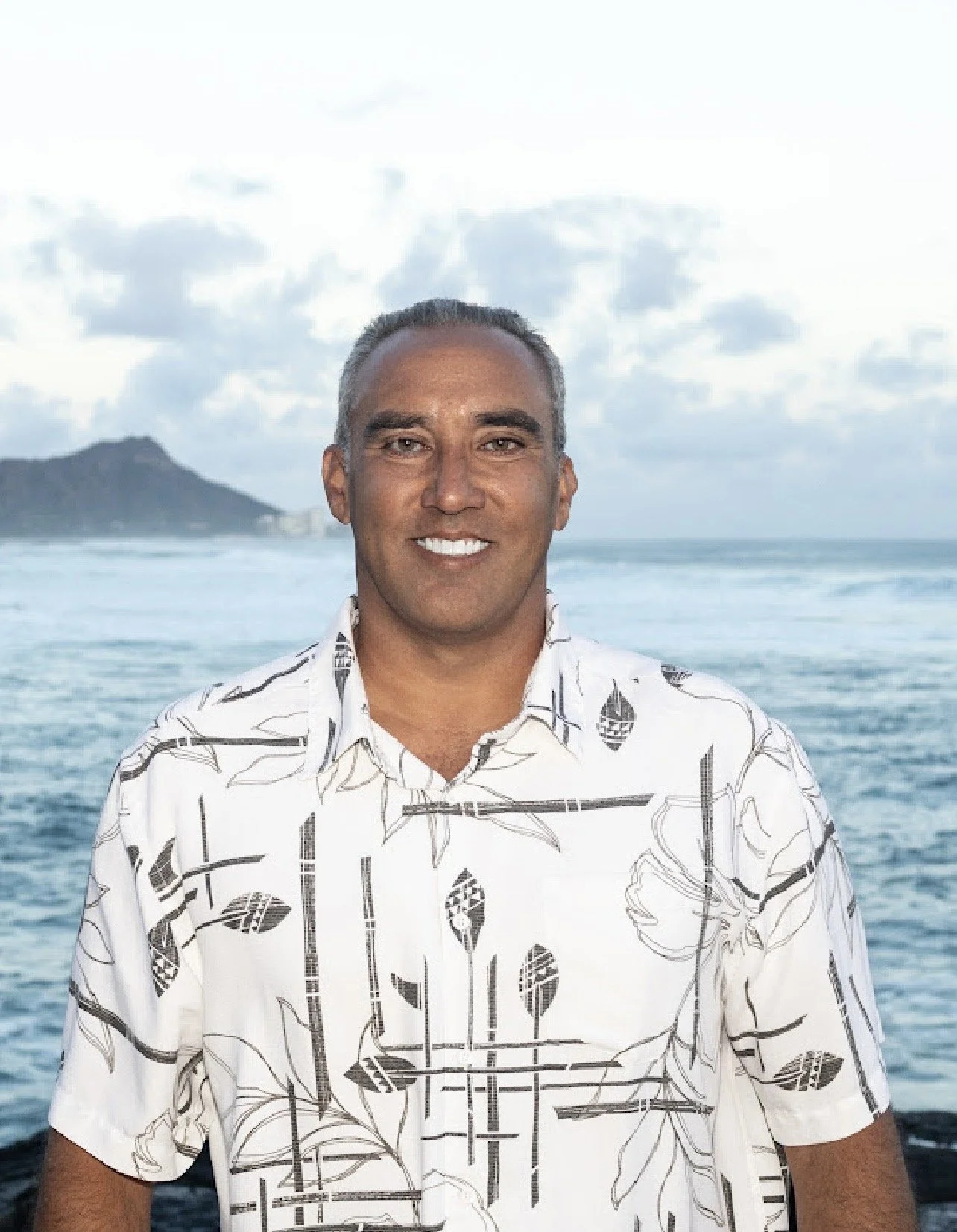
Kanekoa Crabbe
-
Hwy. 11 is extremely important to all residents and visitors to Hawai’i Island and is often neglected by various government officials and departments. If elected, I will ensure this vital ground transportation resource is properly maintained by the county, state and federal government and I will personally hold each individual and department accountable for their lack of care for one of the longest continuous roadways in our islands.
-
If elected, I will ensure the people of Kaʻū are not ignored by government officials because of their geographic location. I know of the importance of having access to food, water, shelter, transportation and natural disaster assistance and fully understand that these necessities are required for the many communities in Kaʻū to thrive during these uncertain times.
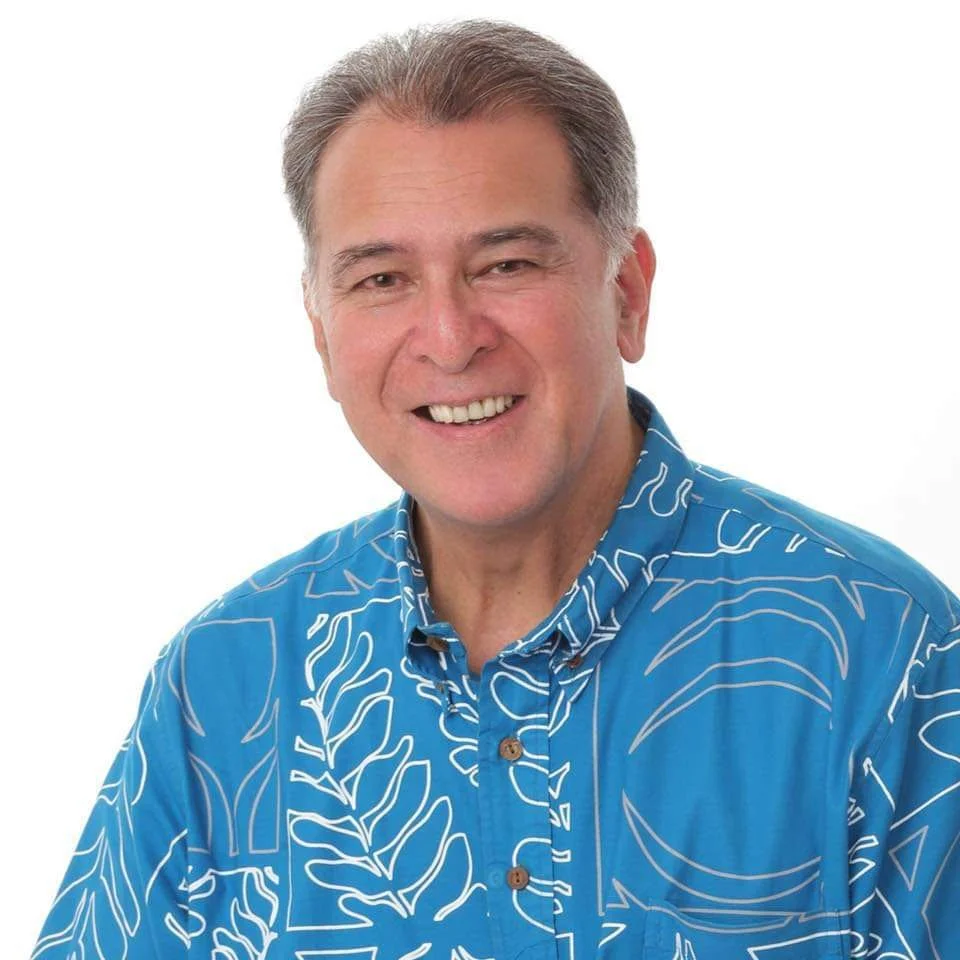
Brickwood Galuteria
-
No Response
-
Kaʻū deserves consistent, trackable investment, so I would commit to publicly reporting how state and federal dollars flow into the district and ensuring Kaʻū is fully included in OHA’s strategic planning, grantmaking, and ʻāina‑based initiatives. I would also hold regular community sessions in Kaʻū and work with partners to advance priority projects so residents see clear, measurable improvements over time.
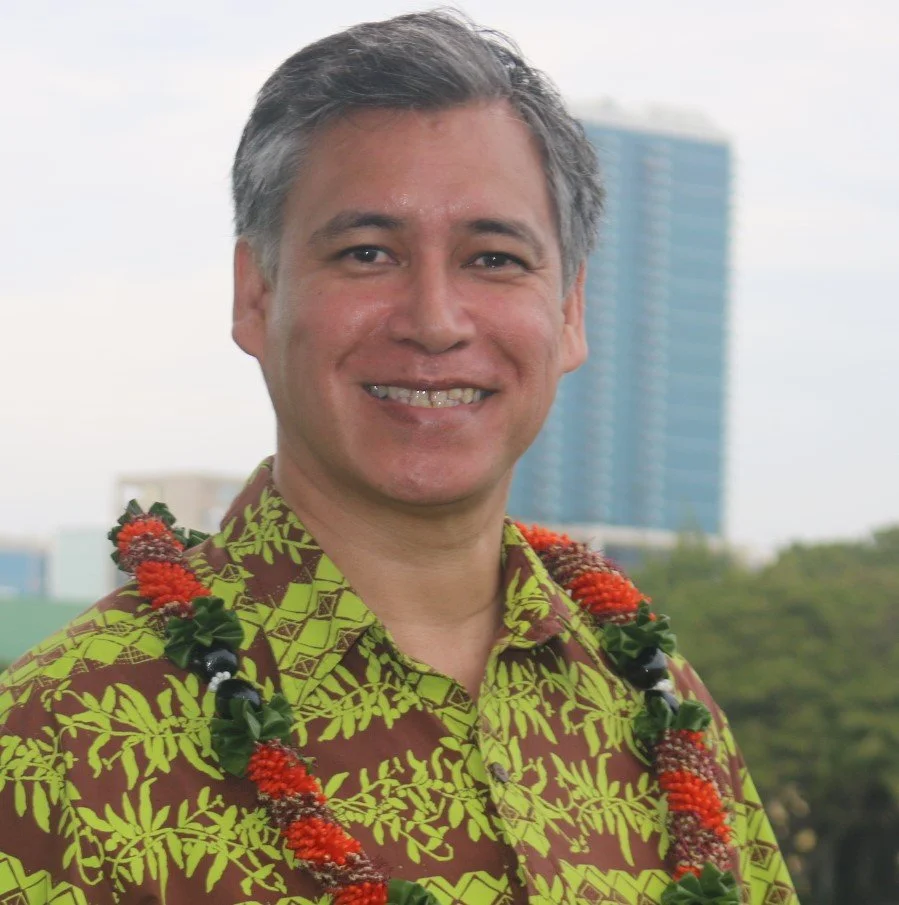
Brendon Lee
-
As OHA does not have any direct impact with regards to federal or state funding for highways I will ensure that the Board of Trustees has OHA’s policy team track any funding legislation for Kaʻū or Hawaii Island infrastructure and have OHA testify in support of such efforts on behalf of the Native Hawaiian population that is impacted by using Hwy. 11.
-
Roughly 2,800 Native Hawaiians live in Kaʻū. While this is less than 0.5 percent of Hawaiʻi Island’s total population, it makes up over 32 percent of Kaʻū. As an OHA trustee, I will help our congressional delegation fight to protect Native Hawaiian entitlements, such as the Native Hawaiian Health Care Improvement Act and the Native Hawaiian Education Act. These programs ensure rural communities like Kaʻū receive vital healthcare and education assistance.
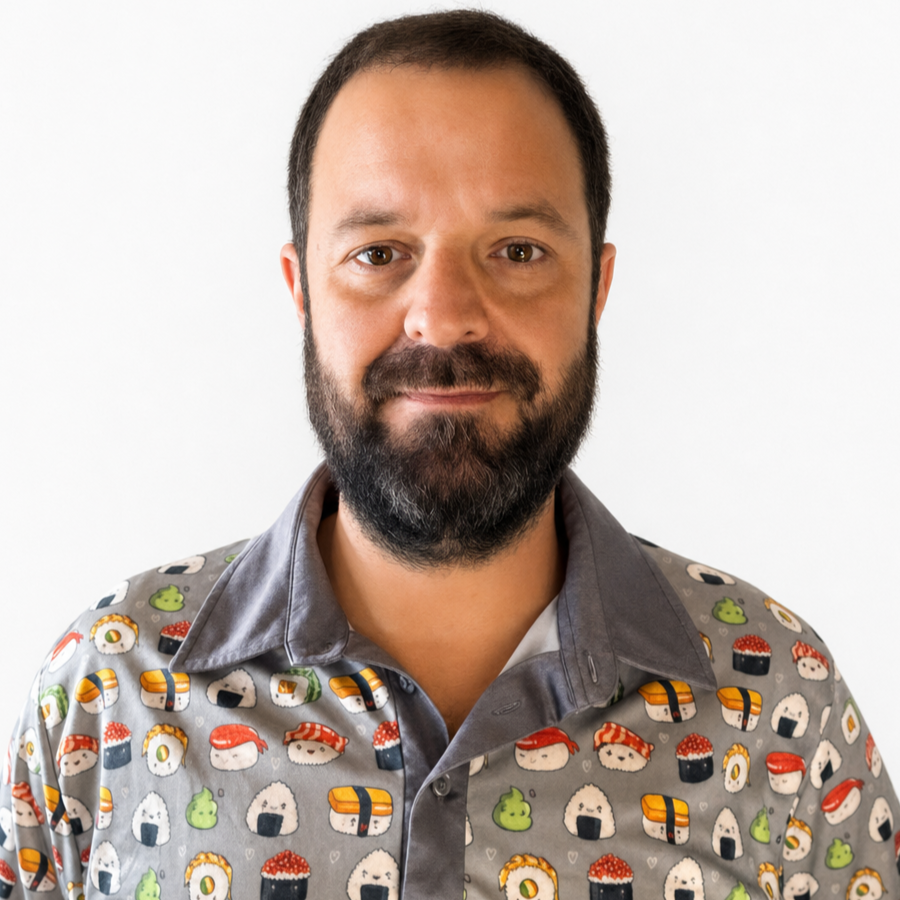
Philip Martin
-
’m planning a Guaranteed Work Program with small work crews plus others targeting land‑restoration projects, and if Kaʻū folks are open to having them come through, I’d make sure Hwy. 11 is one of the places we send steady, practical help. People need work, and we can really make a difference by giving jobs, and that could really help fix your problems too.
-
I know none of you want another out-of-touch outsider trying to turn the communities of Kaʻū into another suburb, but let’s be real, it’s hard to get more investment if every kind of growth is shut out. Do you think bringing in more people who love and steward the land the way you do could help strengthen your case for better state and federal support while keeping Kaʻū the place you want it to be?
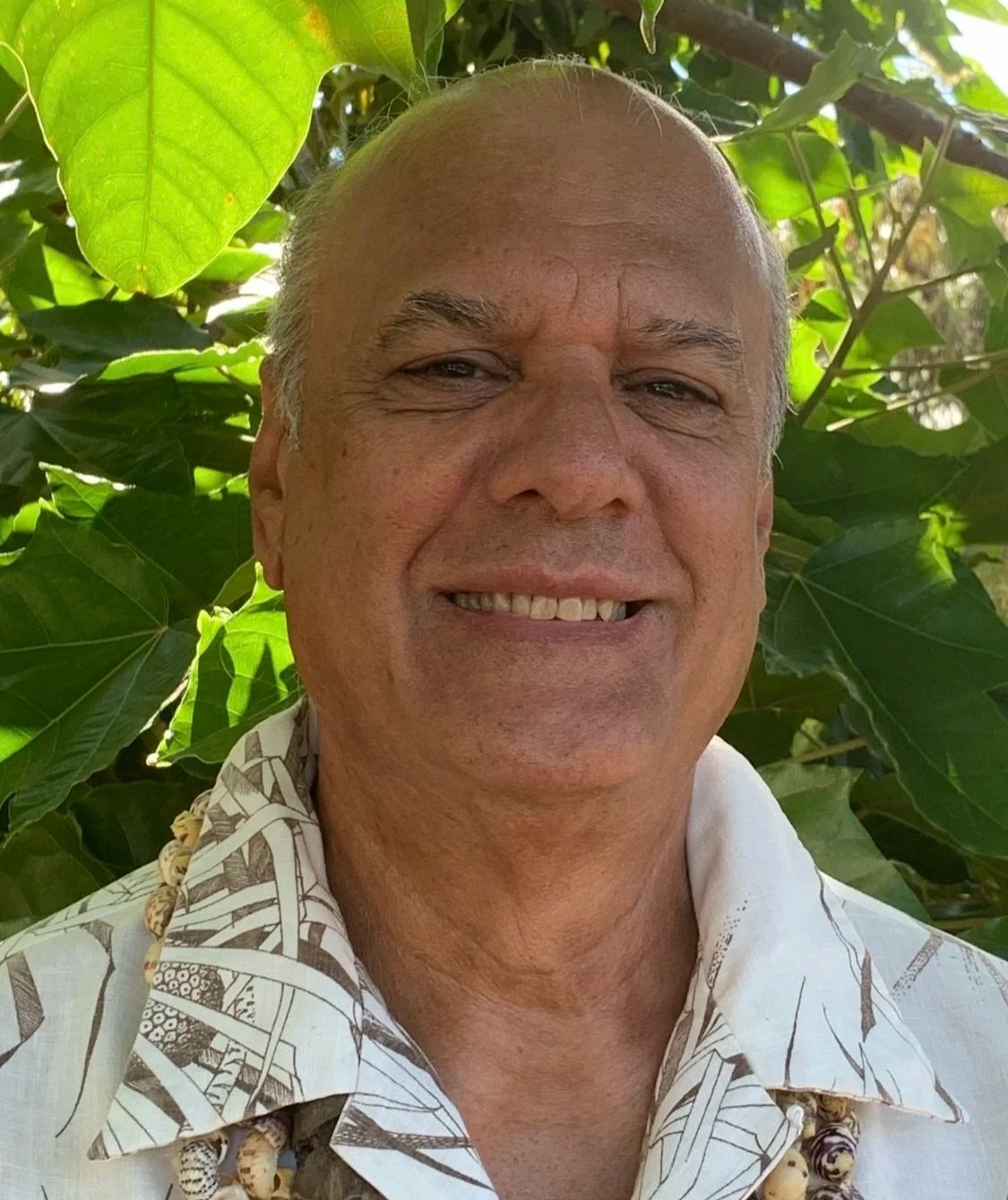
R. Kunani Nihipali
-
As a Native Hawaiian, Kaʻū of Moku o Keawe has important historical significance as the ‘gateway’ to our Pacific relatives. We are familiar with the conditions, but in our travels there, as we have Ohana and visit when possible, we’ve noted that you’re correct about the physical conditions of the roads there in Kaʻū. Although OHA isn’t the responsible organization for these issues, everyone uses those roads and if elected, and reminded by you, as many things get lost in the process, I will try and address our people’s concerns about this situation.
-
No Response
Shelby Pikachu Billionaire
-
While OHA does not control highways, I refuse to sit on the sidelines while Kaʻū families travel unsafe roads. As Trustee, I will use OHA’s voice to advocate for Hwy. 11 improvements, bring together state and federal partners, and publicly support funding applications that prioritize safety. Kaʻū should not have to wait until tragedy strikes before action is taken. Safe roads are not a luxury, they are a basic responsibility to our people.
-
For too long, Kaʻū has been treated as an afterthought. If elected, I will hold at least one community listening session in Kaʻū every year, publish annual reports showing where OHA resources are invested, and advocate for grants, housing, cultural preservation, education, and economic opportunities that reach rural communities. Moku o Keawe is more than Hilo and Kona, Kaʻū deserves a seat at the table and a fair share of investment.
