
2026 Prince Kūhiō Day Hoʻolauleʻa
Photos By Tim DeLozier
By Darius Donnelly (Homeschool Student, Age 16)
For the past year, every time I drove to Nāʻālehu from Pāhala on the Hawaiʻi Belt Road, about half a mile from the scenic point of Haleokane Lookout, there was a small dirt-paved road leading to a house. And at the entrance to that road, flew a Hawaiian flag. When I first drove to report on this year’s Hoʻolauleʻa, I noticed the flag was missing. When I reached the Hoʻolauleʻa, I saw that the flag had been moved over to the Nāʻālehu Community Park. I always wondered why that flag was there, and now I know. It is a marker of the Ho’olaule’a festival, kind of like the Olympic Torch.
As I walked past the flag I noticed two canoes made of koa wood, one long canoe and another short one with a sail. As I found out later, these canoes had been made from koa wood, harvested and carved via traditional methods. One thing I learned about koa canoes was that the traditional method of finding the right koa tree has been to look at the pattern of the ʻelepaio bird. Ancient (and, for this festival, modern) Hawaiians would observe the birds circling the trees. If the birds just circled the tree without going down to harvest grubs and worms, the tree was robust and healthy, good for wood. If the birds flew down to peck at the wood, it was a sign that the tree was being eaten by insects, that its wood was of poor quality.
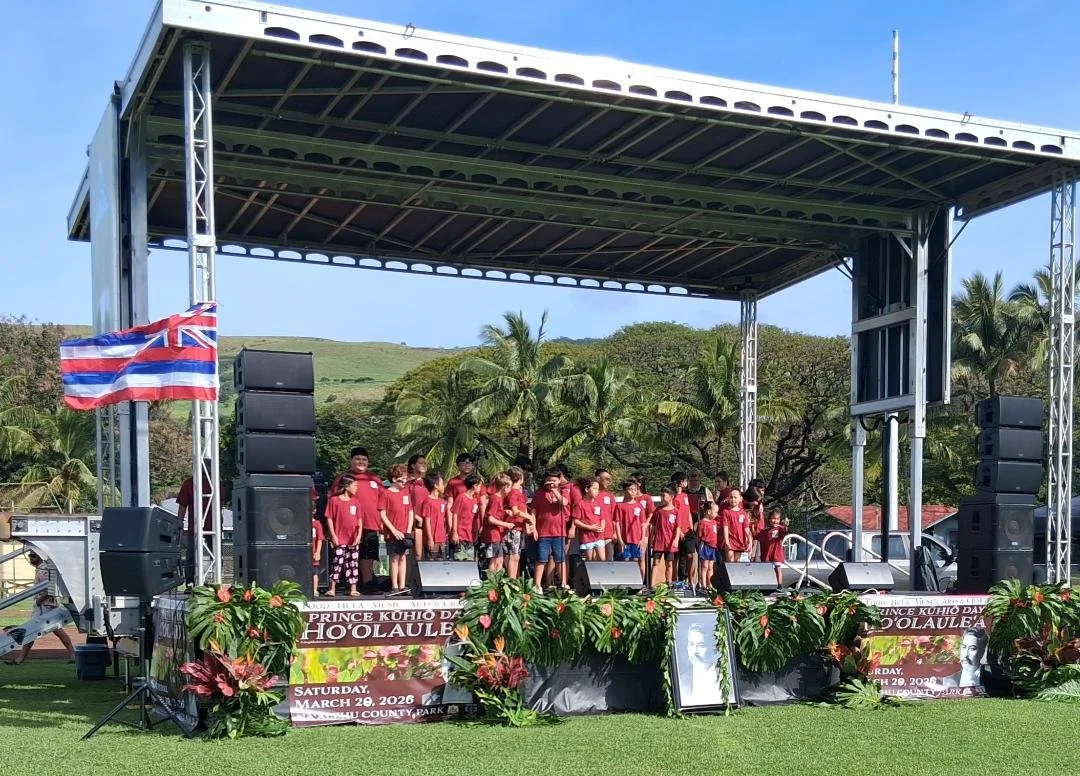
Past the canoes, I noticed the large stadium set up for the Hoʻolauleʻa. At the base of the stadium hung a banner with the image of Prince Kūhiō, in whose honor the festival is held. He was a Hawaiian delegate to the House of Representatives and the first Native Hawaiian in Congress. He is often called the Ke Aliʻi Makaʻāinana, which means ‘Prince of the People.’ During his time in Congress, he founded the Association of Hawaiian Civic Clubs (AHCC). The AHCC is an association of organizations that advocate and campaign for the interests and well-being of Native Hawaiians.
The AHCC had a booth at the festival, handing out pamphlets and information to those who do not know about the work that they have done.
Other community organizations had booths at the festival as well, including the Hana Laulima Lahui O Kaʻū, an organization that seeks to develop and improve the economy of Kaʻū along the lines of respect for the ʻāina and traditions of this land. They are planning on building the Kaʻū Hawaiian Cultural Center, a large community center with an amphitheater, meeting house, and gardens, which would help host events and teach Hawaiian culture in the area of Kaʻū.
Another organization at the festival was Malama Haloa, which provides free community events. At the festival, they had a booth where people could learn how to pound the kalo root into poi. They also have events around the island which teach people how to grow kalo at their homes, echoing the ancient traditional way of life in Hawaiʻi, where kalo farming was a common staple of makaʻāinana life.
The Hawaiʻi Wildlife Fund, which is celebrating its 30th birthday, was also there and looking forward to its next chapter. They do conservation work for native species, working with students from Kaʻū High to protect native species. At their stand, they sold prayer flags and other items to raise money for the fund, as well as providing pamphlets to people interested in conservation.
Following the environmental theme, we had Recycle Hawaiʻi and Mālama ʻĀina. These organizations work to divert food waste from landfills, and they’ve diverted 25,000 tons of food waste. They do this using a composter in the ag-room at Hilo High with which they turn the food waste into usable soil.
In addition to these community organizations, there were several food stands at the festival, serving food and drinks like lemonade, smash burgers, beef jerky, plates, coffee, and vegetable bowls.
These booths go to show how deeply Kaʻū values care for the community and respect for the land, as MC Curt De La Cruz put it, “Family is what Kaʻū is all about!”
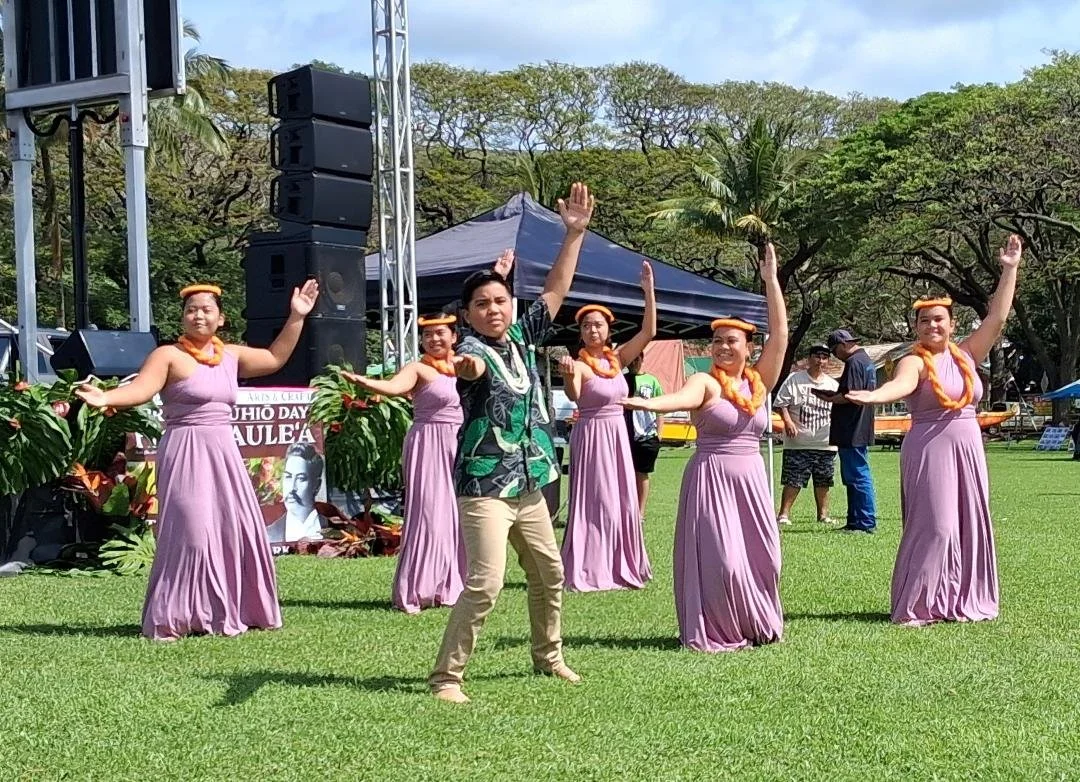
Many hula performances were held at the festival featuring wahine and keiki outfitted in colorful dresses, dancing to many traditional meles about Hawaiian life and history. Two kane also performed at the festival. The whole musical arrangement helped to pass Hawaiian culture and tradition on to the next generation of Kaʻū.
All in all, this year’s Hoʻolauleʻa in celebration of Prince Kūhiō Day will have a lasting impact on our community, serving to strengthen our bonds between the kānaka and ties to the ʻāina as Kaʻū.
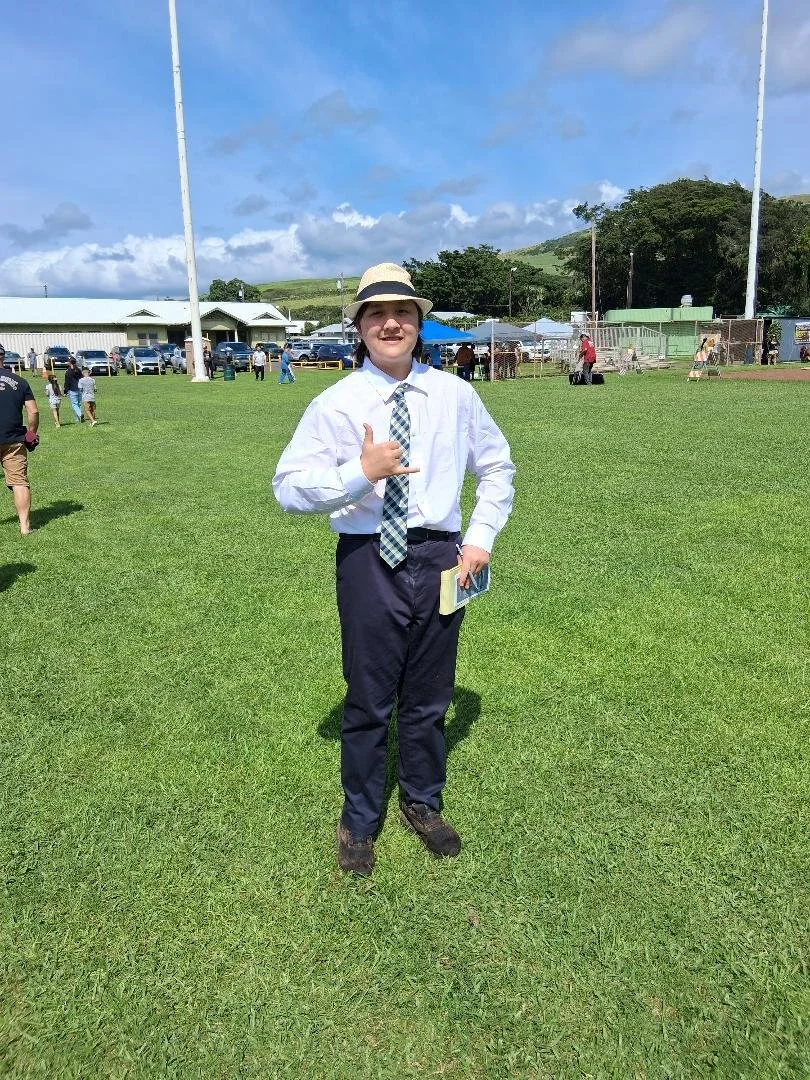
Darius Donnelly — Raised on a Wood Valley coffee farm, 11th-grade homeschooler Darius Donnelly is a youth reporter for Kaʻū News. Astute and passionate about history, local politics, and theater, he aims to study philosophy or agricultural science at UH Mānoa.
