Kaʻū Zero Waste Youth Advocates Travel to Kauaʻi to Unite, Plan and Inspire
Hawaiʻi Zero Waste Youth Alliance Gathers to Shape the 2027 National Zero Waste Convergence
By Justin Canelas & Ulu Makuakane | Photos by Ulu Makuakane
On June 1, thirteen Kaʻū High School students — Zero Waste Youth Advocates with Mālama ʻĀina ʻŌpio — departed for Kauaʻi to link up with their fellow student sustainability leaders from across the Hawaiian Islands. These young changemakers are part of the Hawaiʻi Zero Waste Youth Alliance, a statewide ʻohana of youth united by a shared commitment to ʻike, ʻāina, and a waste-free future for our home. The ʻōpio stayed at Kumu Camp in Anahola, nestled within the Hawaiian Homestead lands – a fitting home base that grounded the entire convergence in the spirit of aloha ʻāina from the very start.
In total, 27 students converged on Kauaʻi, representing Kaʻū, Kōhala, and Hilo on the Big Island, as well as Maui, Molokaʻi, and Oʻahu — a powerful gathering of youth voices from across the pae ʻāina.
The central mission of the Kauaʻi Youth Planning Convergence was to lay the groundwork for the 2027 National Zero Waste Convergence – the apex event of Mālama ʻĀina ʻŌpio (formerly Mālama ʻĀina Compostables). Scheduled for April 20–25, 2027 in Hilo and Waikoloa on the Big Island of Hawaiʻi, this national gathering will bring together indigenous youth and sustainability leaders from across the United States.
The 2027 Convergence will serve as a landmark moment – a platform to showcase three years of dedicated student work, facilitate dialogue between youth changemakers and policy makers, and chart a bold course forward. The event will center on how the ʻike (knowledge) gained by students since the program’s launch can be translated into effective policy — reducing Hawaiʻi’s landfill burden, curbing single-use plastics, and building the circular systems our islands and ecosystems so urgently need.
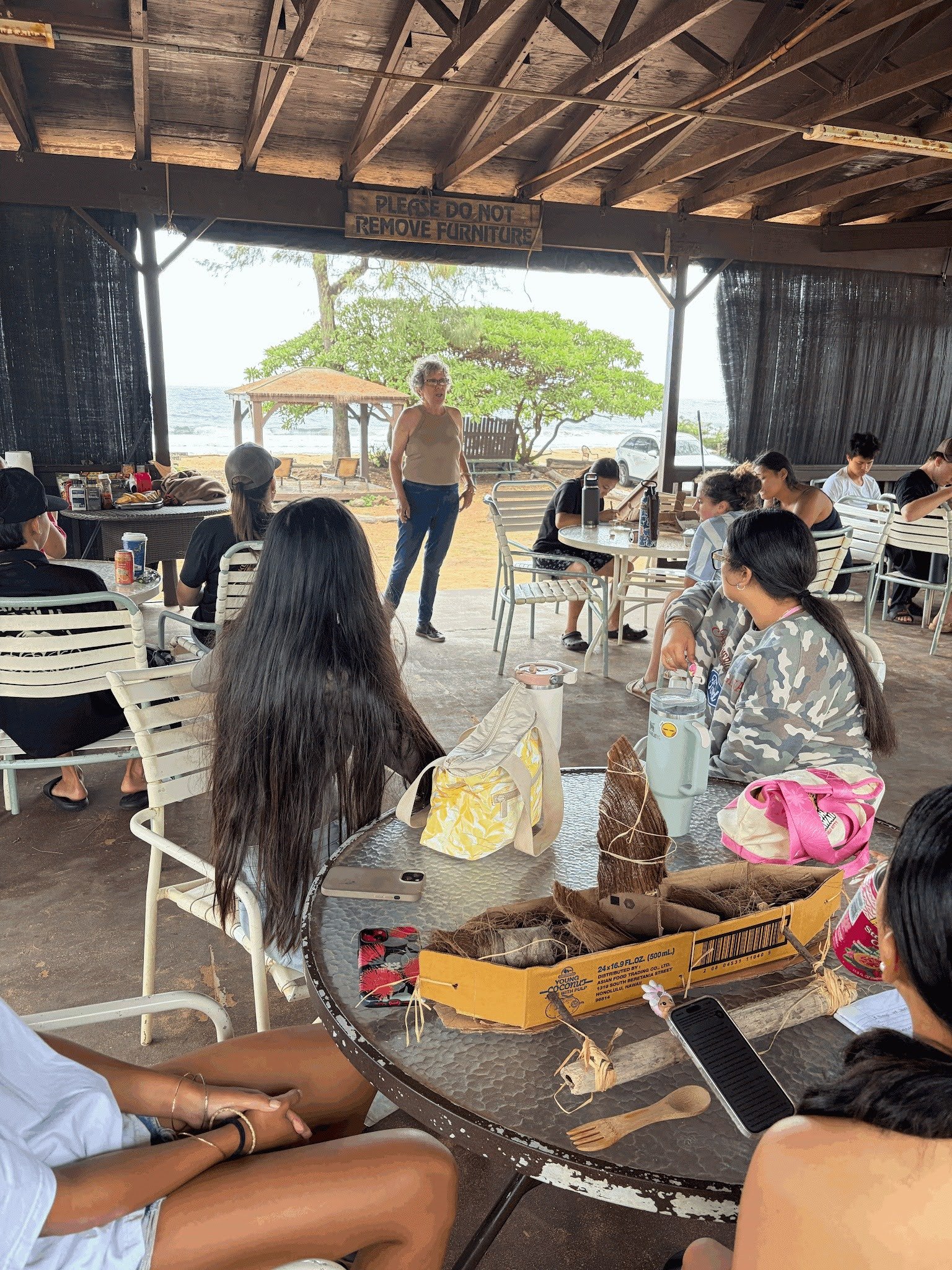
During the Kauaʻi gathering, youth connected, shared stories and strategies, and self-organized into planning committees that will meet monthly to design and build next year’s exciting event. Watching these young leaders step into their power and take ownership of the vision was nothing short of inspiring.
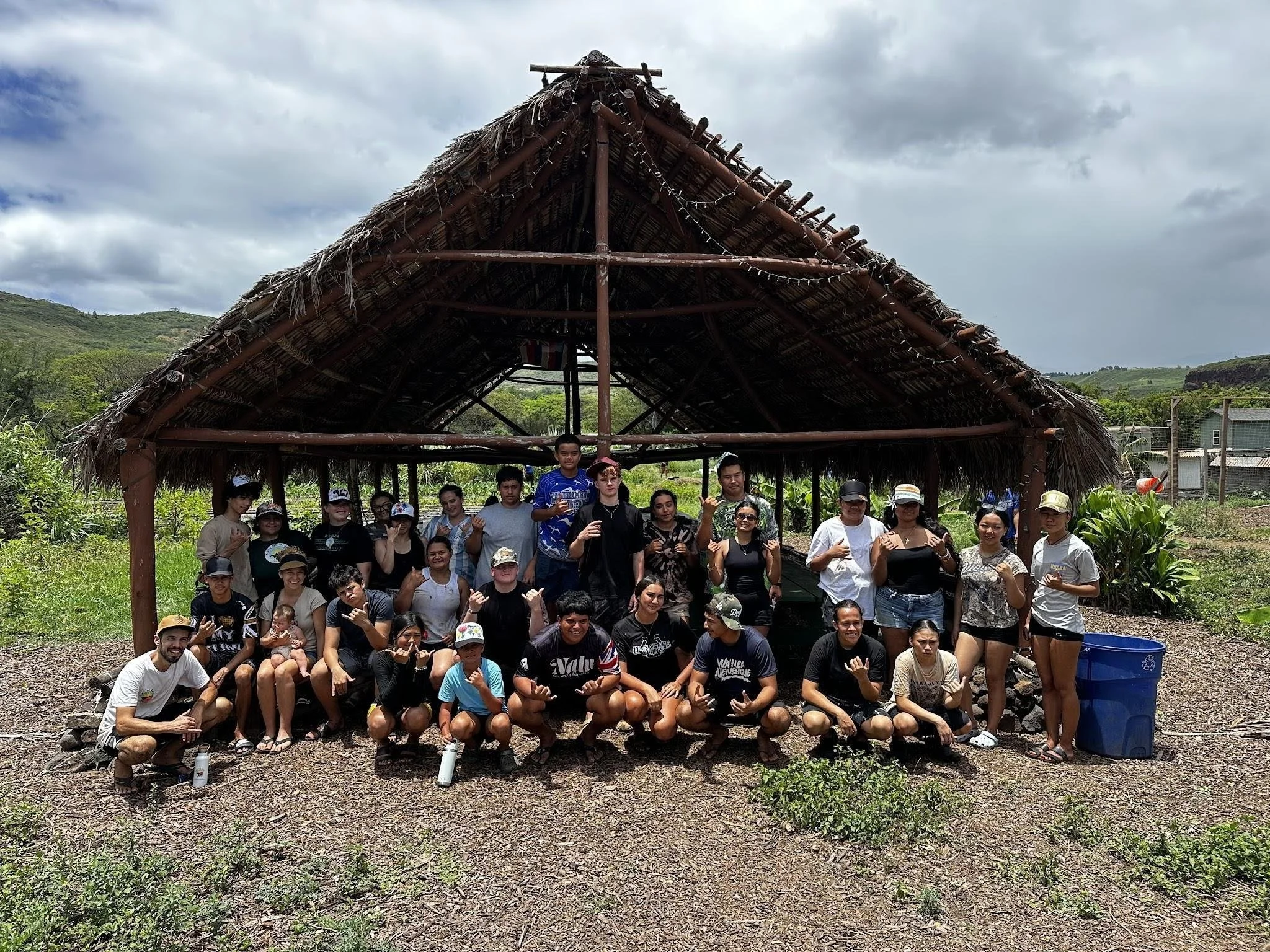
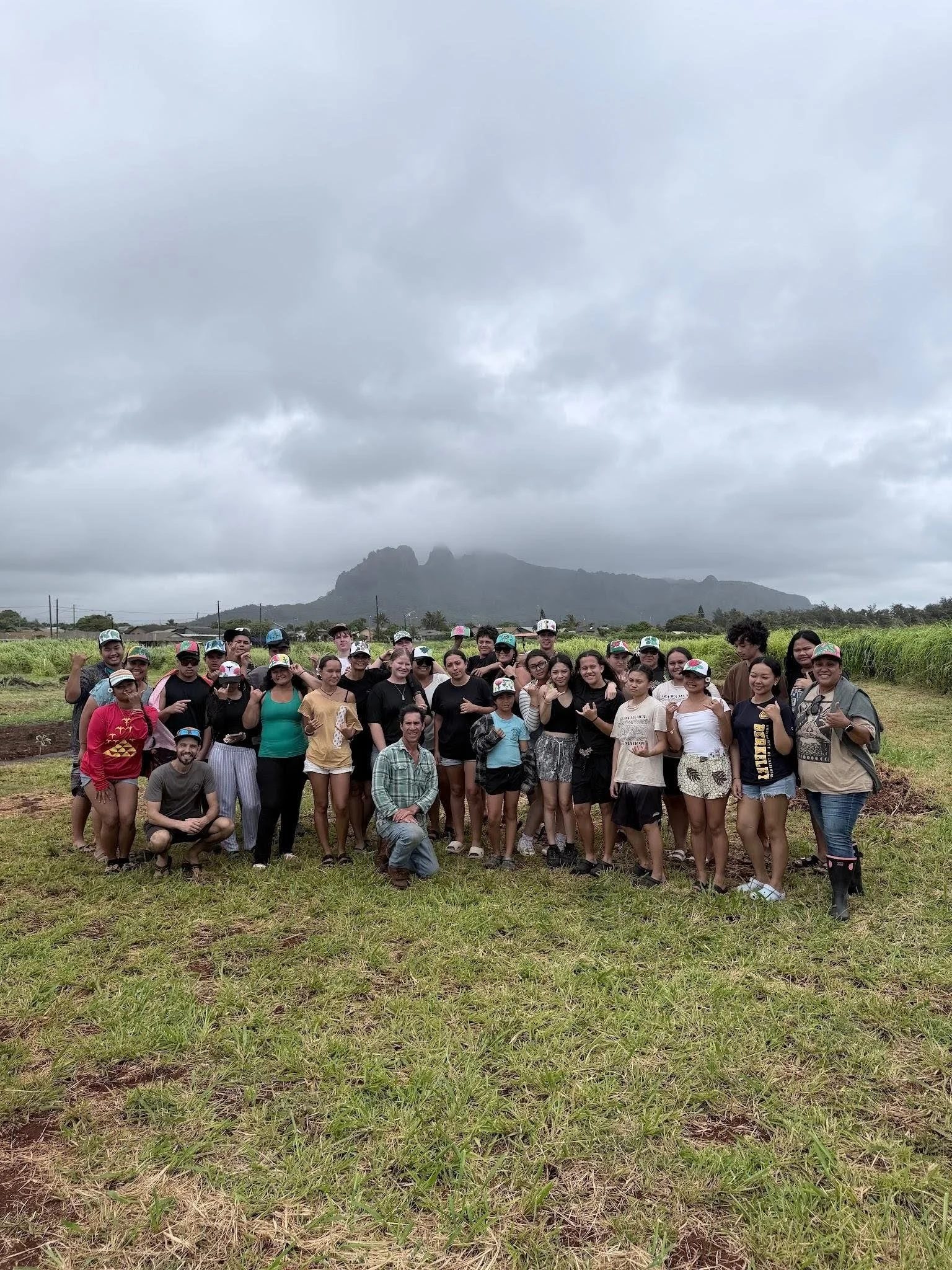
On June 2, students visited the Ulupono Anahola Farm Site, hosted by Uncle Kapule and Aunty Lorilani of Kūkulu Kumuhana o Anahola (KKOA). The visit was a beautiful blend of cultural grounding, hands-on learning, and community connection.
Uncle Kapule and Aunty Lorilani generously shared the moʻolelo of Anahola and the sacred Kalalea ridge — visible in the background of so many photos from the trip — including the proper Hawaiian names of wahi pana (storied places). Their words reminded the ʻōpio that caring for the land begins with knowing and honoring its names, history and spirit.
Students rolled up their sleeves and engaged in a series of hands-on activities: repotting native Hawaiian plants, planting in the māla (garden) and designing their own hats using native plants as inspiration. It was a day of joy, learning, and deep connection – a reminder that zero waste and environmental stewardship are inseparable from aloha ʻāina.
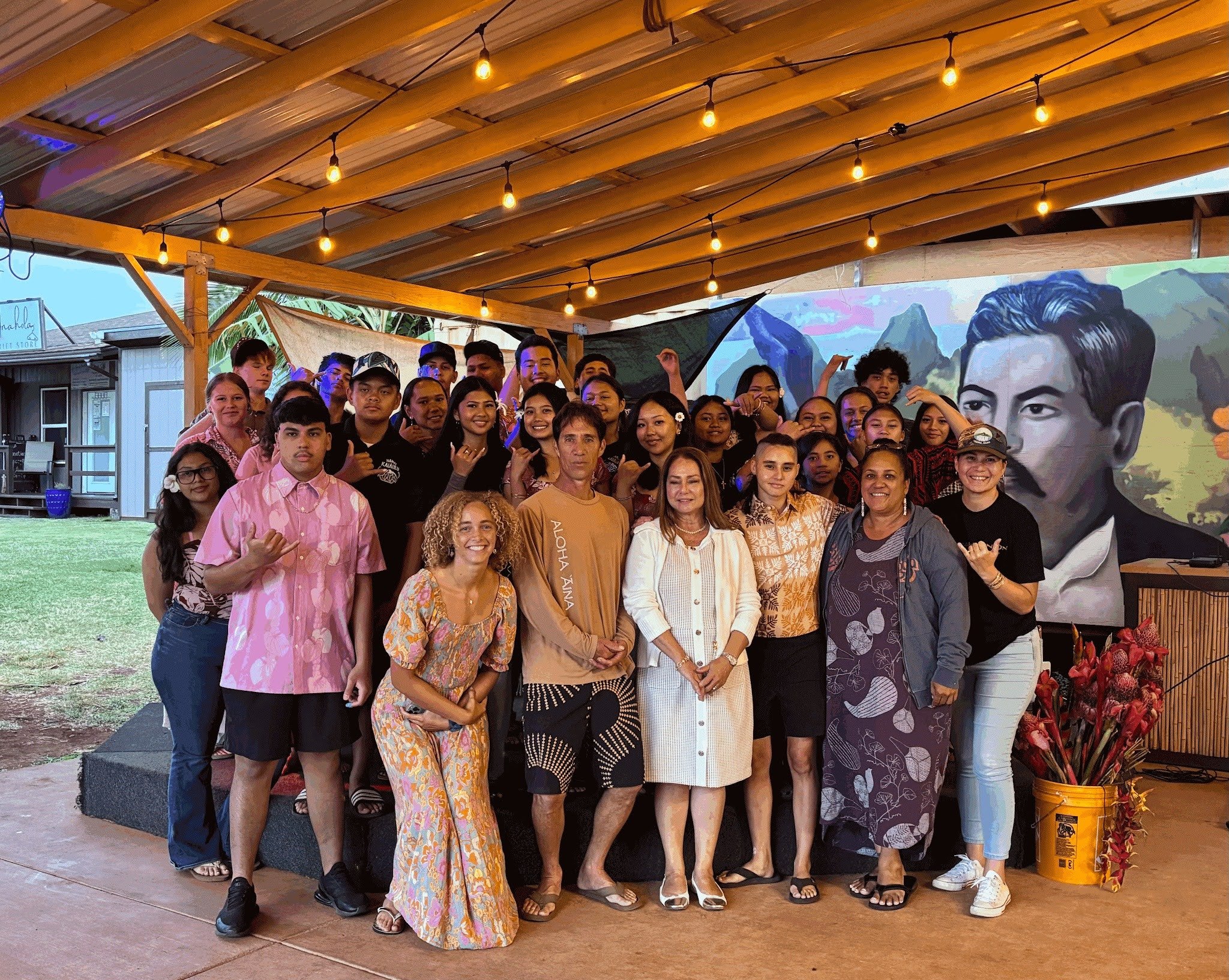
On June 3, the Hawaiʻi Zero Waste Youth Alliance took the stage at the Anahola Marketplace for a powerful community presentation: the Zero Waste Activation, proudly sponsored by the Office of Hawaiian Affairs (OHA).
Each participating youth program delivered a presentation on their sustainability work within their home communities and across the pae ʻāina. The event was a testament to the breadth and depth of this youth-led movement. Presenting groups included: E Ala E R.I.S.E. Kōhala, Mālama ʻĀina ʻŌpio (REO Program of Kaʻū), Hui Hoʻauhuli of Keaukaha, Maui Huliau Foundation, Molokaʻi F.F.A. and Hānai Kaiāulu of Nānākuli Oʻahu.
The evening drew a remarkable group of special guests, including State Senator of District 22, Samantha DeCorte; Kauaʻi Mayoral Candidate, Laura Lindsey; Sustainability Coordinator and Economic Development Specialist, Ana Española; and many community leaders and organizers. The youth were undeniably the stars of the night – and everyone in the room walked away inspired and eager to support this growing movement.
The final day brought students to Waimea, Kauaʻi, for a Huakaʻi (journey) and Community Giveback Day with Kumano I Ke Ala — an organization dedicated to addressing the modern challenges of food security, workforce development, and environmental stewardship through cultural practice and community connection.
Mahalo nui loa to youth internship leaders, Enoka Karratti and Kaina Makua (Chief of War) for welcoming the alliance with such warmth and generosity. The day was a fitting close to a convergence filled with purpose, connection, and aloha.
As the program enters its third and final year, Mālama ʻĀina ʻŌpio has an exciting slate of initiatives planned for the Kaʻū community. The program will be launching monthly barter and trade events in Nāʻālehu alongside their ongoing collection events — building community while giving materials a second life rather than a one-way trip to the landfill.
Year Three will also see the launch of their Waste to Wealth initiative — a bold effort to transform how Kaʻū thinks about and handles waste.
These diversion programs will need the whole community’s support to take root and succeed. Every household, every business, every neighbor has a role to play in changing the culture around waste in Kaʻū.
The program is also partnering with Hawaiʻi County on a Digital Diversion Campaign, which will help Kaʻū residents learn how to properly sort and clean recyclable materials to maximize what gets diverted from the landfill. The students will then compare historical landfill data to see if their campaign achieves measurable reduction of rubbish going into the landfill coming from Kaʻū. Small actions – rinsing a container, sorting correctly, knowing what belongs where – add up to big results when the whole community participates.
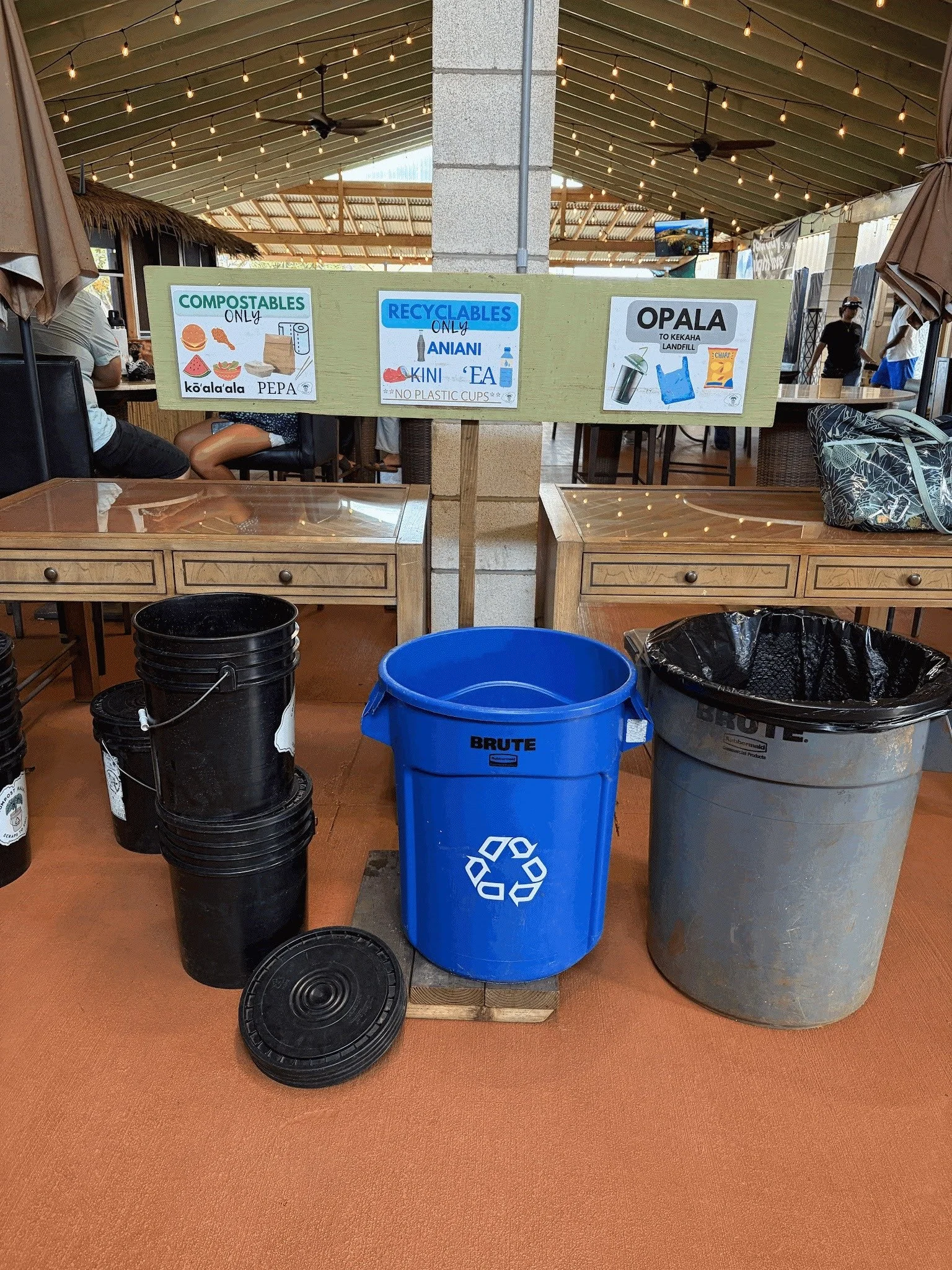
At Kaʻū High School, the program operates a state-of-the-art in-vessel composting machine that transforms food waste from the school cafeteria into rich, valuable compost – which the program then gives back to the community. It is a living example of the circular systems Mālama ʻĀina ʻŌpio is working to build across Kaʻū. To date, the Kaʻū students have diverted over 35,000 lbs. of food and waste from the landfill.
With many community events and programs on the horizon in Year Three, stay up to date by following Mālama ʻĀina ʻŌpio on Instagram and Facebook at @malamaainaopio, or visit their new website at recyclehawaii.org/reo-program.
Mālama ʻĀina ʻŌpio (formerly Mālama ʻĀina Compostables) is a youth-centered environmental education and advocacy program operating out of Kaʻū High rooted in the values of aloha ʻāina and cultural sustainability. Through hands-on learning, community engagement, and youth leadership development, the program empowers students from across the Hawaiian Islands to become environmental stewards and policy advocates in their own communities.
The program’s work is made possible in part through a $1.5 Million EPA Recycling Education and Outreach (REO) Grant awarded to Recycle Hawaiʻi in partnership with the Kaʻū Global Learning Lab. This grant supports Mālama ʻĀina ʻŌpio’s ongoing mission to reduce waste, build circular systems, and cultivate a new generation of youth who understand – and will fight for – a thriving, waste-free Hawaiʻi.
As the 2027 National Zero Waste Convergence draws closer, the energy and dedication of these young leaders offer a powerful reminder: the future of our ʻāina is in good hands.
For more information about Mālama ʻĀina ʻŌpio, the Hawaiʻi Zero Waste Youth Alliance or the 2027 National Zero Waste Convergence, contact operations@recyclehawaii.org.
“It was a privilege to witness the growth within the formed youth alliance. We began the week as strangers and by the end of the convergence became lifelong friends. Each day touched on native Hawaiian cultural pathways to help haumāna build a sense of belonging, identity, connection to ʻāina and their peers. The ʻōpio had amazing ideas and showed true leadership in the planning of next year’s national convergence.”
— Ulu Makuakane, Program Director, Recycle Hawaiʻi
“It is incredible to see what was once just words on a page in a grant application transform into this beautiful project and movement that local Kaʻū youth are now spearheading. Watching them grow into sustainability leaders – taking on the kuleana of Zero Waste, connecting with youth across the pae ʻāina, and finding their voice – is one of the most impactful experiences of my life. I cannot wait to see what Mālama ʻĀina ʻŌpio has in store for year three.”
— Justin Canelas, Operations Director, Recycle Hawaiʻi
“We are just blessed to see the talent and energy of the youth we’ve met this week. All of us at HCDC feel grateful that they chose to hold their incredible meetings here on Hawaiian Home Lands, sharing mālama ʻāina in actionable ways — we are learning right along with every participant here.”
— Garrett Danner, Deputy Director, HCDC